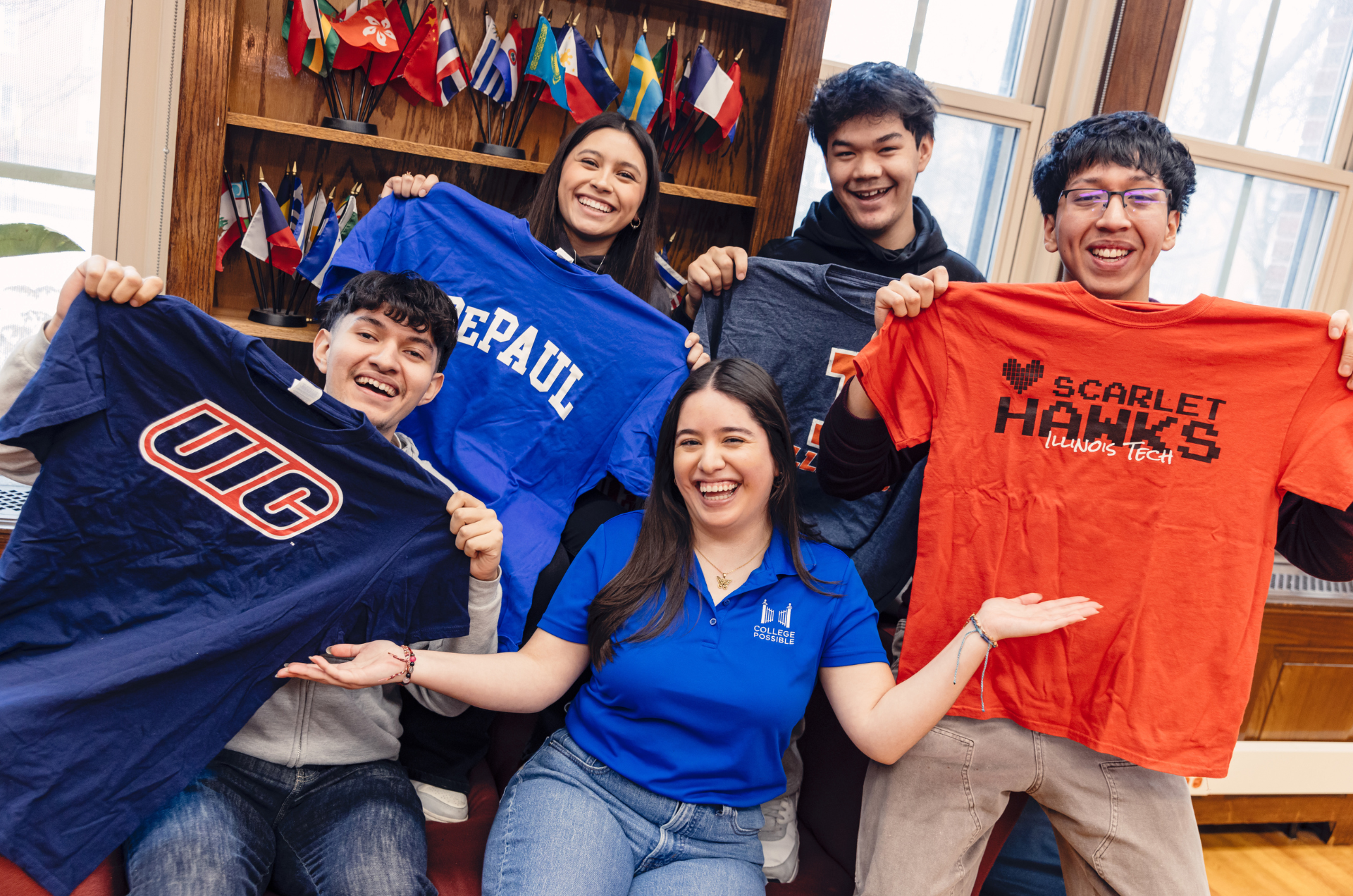

Students Are Ready to Thrive: How Coaching Helps First-Generation Students Afford College, Build Belonging and Graduate
The conversations about higher education today can feel discouraging. Rising costs, questions about return on investment and value of a degree, and concerns about student debt dominate much of the public conversation. Yet a recent discussion at College Possible Minnesota among admissions leaders Art Rodriguez (Carleton College), Christopher Gruber (Davidson College), Claudia Marroquin (Bowdoin College) and Jess Lord (Haverford College), painted a more hopeful picture. As Lord stated, “We are finding this to be a more optimistic group. [They are] more confident in their ability to make change.”
Students Are More Optimistic Than We Think
One of the biggest surprises these admissions leaders shared was the attitude of today’s students. Despite growing up through a pandemic and a period of significant uncertainty, many incoming students are arriving on campus with optimism, curiosity and a strong desire to engage.
Several participants described their newest classes as more energized and enthusiastic than those of recent years. Students are joining activities quickly, building community and demonstrating confidence in their ability to make a difference. Rather than feeling defeated by recent challenges, many seem eager to shape what comes next.
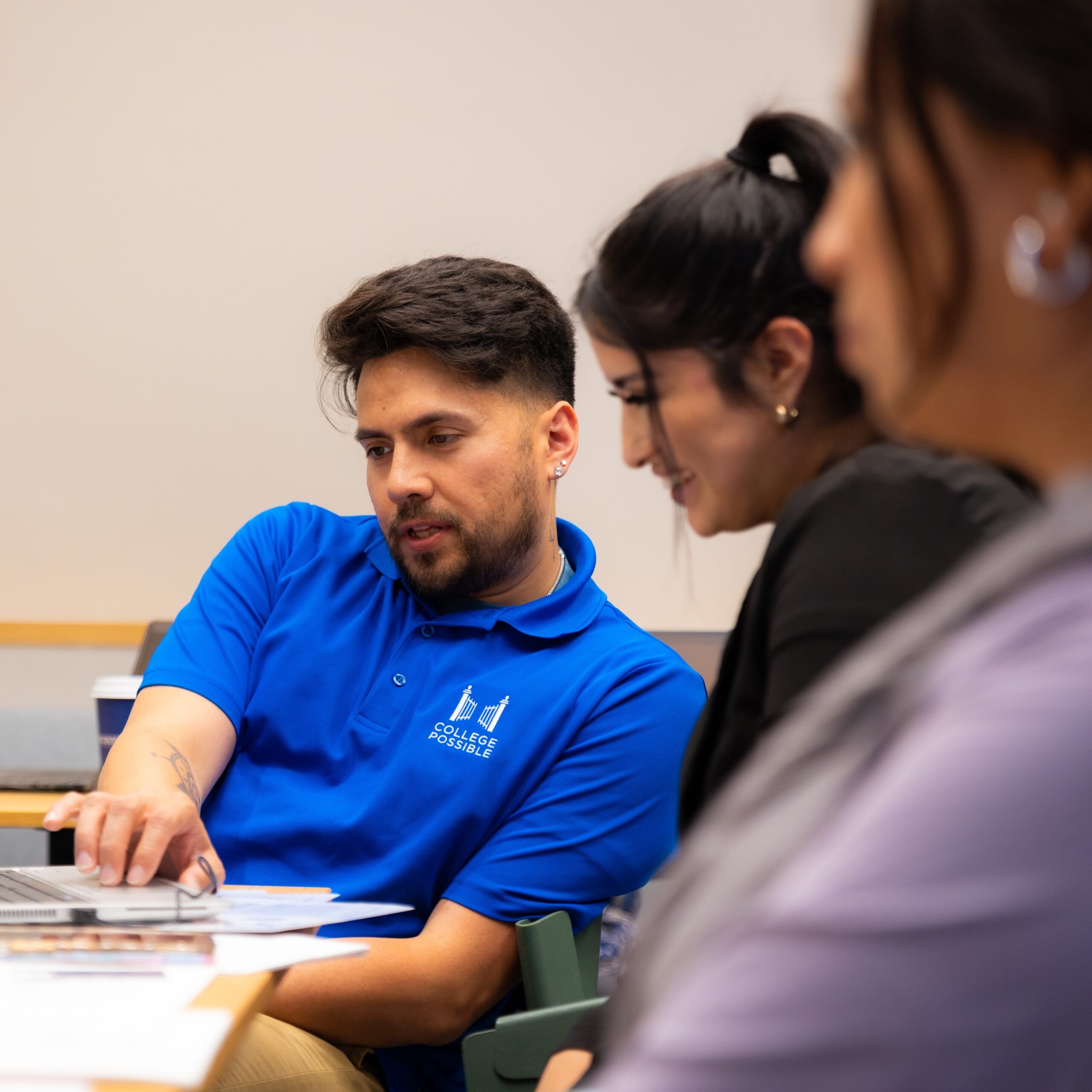
At College Possible Minnesota, this comes as no surprise. College Possible coaches work alongside students every day and see firsthand the potential they bring. The challenge is rarely a lack of talent, motivation or aspiration.
More often, the challenge is navigating a system that has become increasingly difficult to understand.
The Affordability Challenge Is Also an Information Challenge
Affordability remains one of the biggest concerns for students and families, but the admissions panelists noted that perceptions often drive decisions before students fully understand their options.
Many families see a college’s published price and immediately conclude it is unaffordable. In reality, financial aid can dramatically change the actual cost. Colleges are working to have more transparent conversations about what families may pay, what aid is available and how students can evaluate the true cost of attendance.
At the same time, communication remains a challenge. Financial aid systems are complex, and families often need support interpreting awards, comparing options and understanding long-term value. This is especially true for first-generation college students navigating the process for the first time. This is where coaching becomes critical.
Student Success Starts Before the First Day of Class
The admissions panelists emphasized that supporting students does not begin at orientation and it certainly does not end with an acceptance letter.
All four of the schools represented have invested in summer programs for high school students and/or incoming freshmen to help students feel connected before classes even begin. These immersive experiences empower students and broaden their thinking about what is possible for a college or career. These programs open the door to all kinds of possibilities of what college life is like giving students experience with real college professors, on a college campus before their first day as a college freshman.
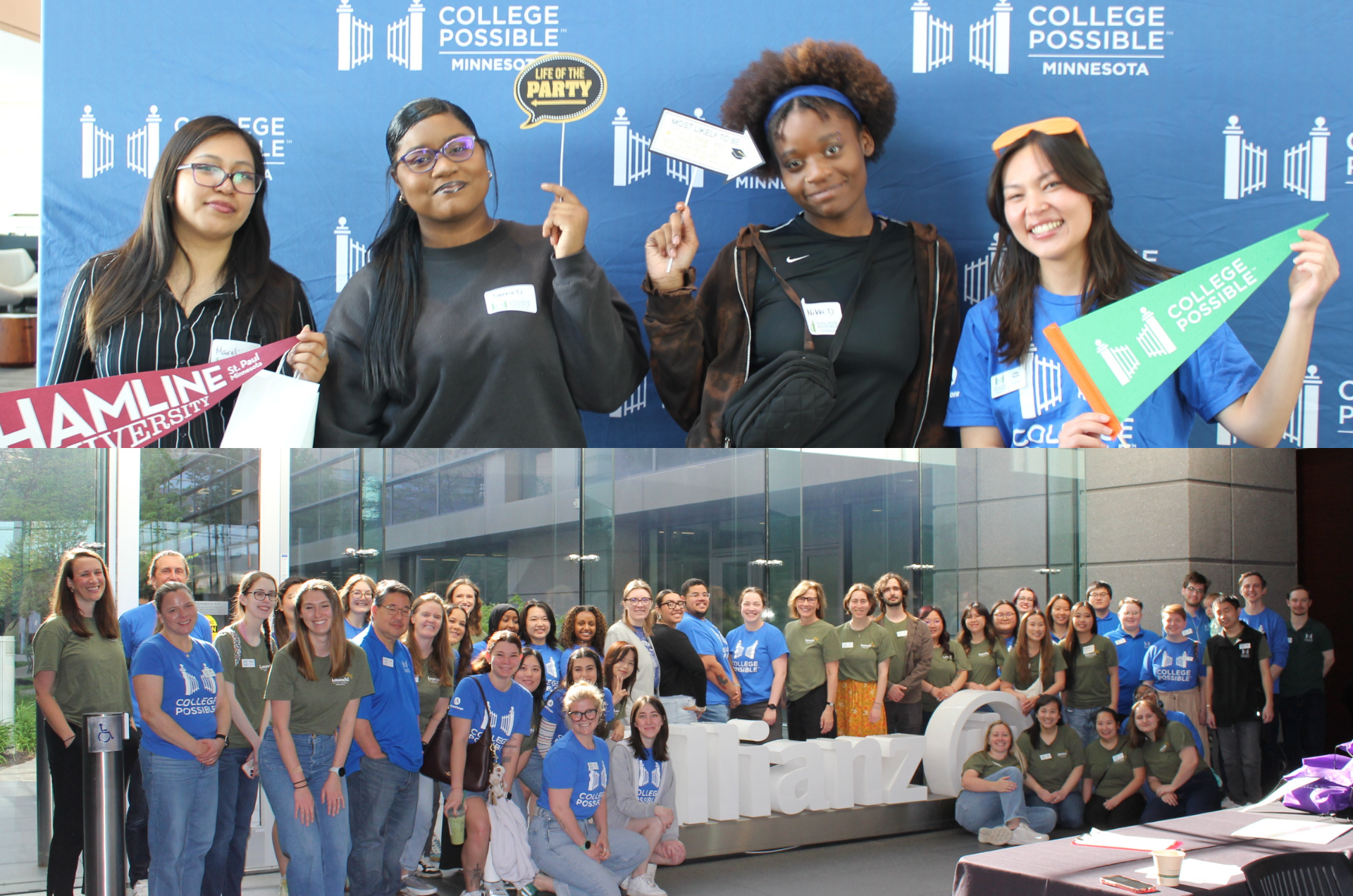
College Possible Minnesota enhances these opportunities through its own signature program: Metro Visit Days. Held twice each year, Metro Visit Days give all College Possible high school students the opportunity to visit a college campus in the Twin Cities area. In addition to the traditional components of a campus visit, they hear from current College Possible students attending the university, eat in the campus dining hall and learn about resources available specifically to them as College Possible scholars. Students are picked up directly from their high schools on a weekday afternoon and transported by bus to their chosen campus, removing common obstacles to college exploration. This experience helps students build confidence, learn how to navigate a college environment and connect with people and resources before making their college decision. By providing early exposure to campus life and a strong sense of community, Metro Visit Days help students envision themselves as college students and reinforces their sense of belonging in higher education.
After all, students are more likely to thrive when they feel a sense of belonging. Academic success and student well-being are deeply connected.
Looking Beyond Test Scores
The colleges represented remain confident in test-optional admissions.
Their research and experience suggest that a holistic review of a student’s academic preparation, achievements and experiences often provides a stronger indication of future success than standardized test scores alone. Rather than focusing on a single number, admissions officers are seeking a fuller understanding of who a student is and what they may contribute to a campus community.
For students, that means the story they tell through their coursework, activities, experiences and personal growth continues to matter.
At the same time, test-optional policies present students with another important decision: whether to take a standardized test and, if they do, whether to submit their scores as part of their application. Many students want to put their best foot forward but may be uncertain about which choice will strengthen their application. College Possible coaches discuss the role of testing, review options and determine whether submitting scores aligns with their goals. This individualized guidance helps them present the strongest possible application.
Your Support Makes This Possible
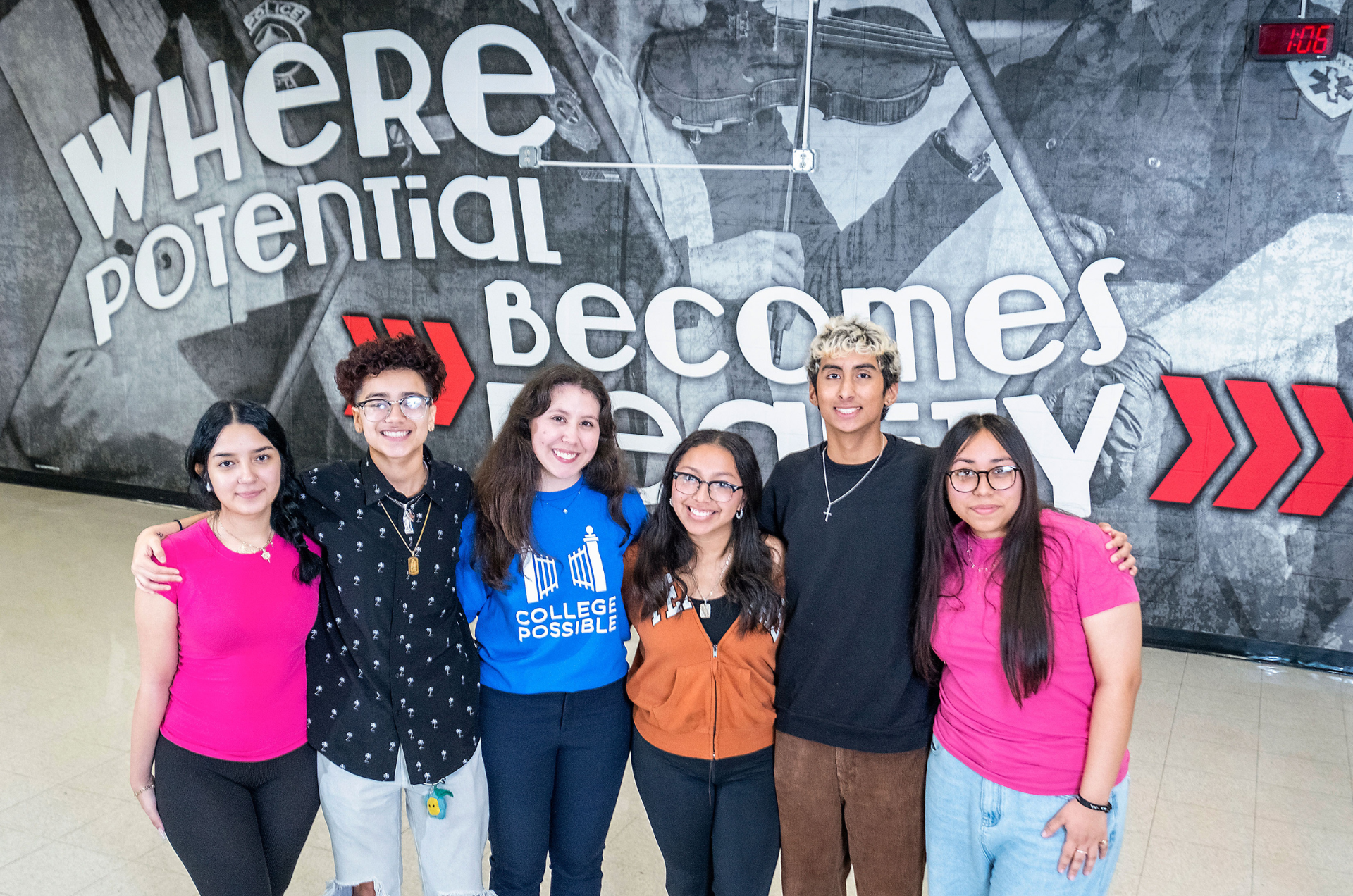
College Possible students are ready.
They are ambitious, resilient and eager to pursue education and careers that will strengthen their families, communities and state. But talent alone is not enough to navigate today’s increasingly complex path to and through college.
That is why College Possible Minnesota coaches are so essential.
Every coaching session, financial aid conversation, application review and text message of encouragement helps students move closer to their goals. These moments of support lead to life-changing opportunities.
Because students deserve more than opportunity alone. They deserve someone in their corner helping them every step of the way.
Want to invest in educational opportunities for the next generation of Minnesota leaders? A recurring, monthly gift to College Possible Minnesota ensures consistent coaching for students starting junior year of high school until college graduation. Consider starting your gift of $25, $50 or $100 a month to support students.