
For high school seniors, receiving a college acceptance letter is a major milestone. But for many students, especially those who will be the first in their families to attend college, there is still a long road between being accepted and arriving on campus. For some, challenges that arise during the summer can prevent them from enrolling at all. This is known as summer melt.
Summer melt occurs when students who intend to attend college after high school graduation ultimately do not enroll. Between graduation and the start of the fall semester, students may encounter unexpected financial barriers, confusing paperwork, missed deadlines or uncertainty about what comes next. The National College Attainment Network points to complex enrollment tasks and limited access to support during the summer as common challenges. But the barriers aren’t only logistical. Students may also experience uncertainty, fear about leaving home or questions about whether they belong in college, challenges that can be particularly significant for first-generation college students without strong networks of college-going peers. Without someone to help them navigate both the practical and emotional sides of this transition, even students who have worked hard to reach college can struggle to make it to campus.
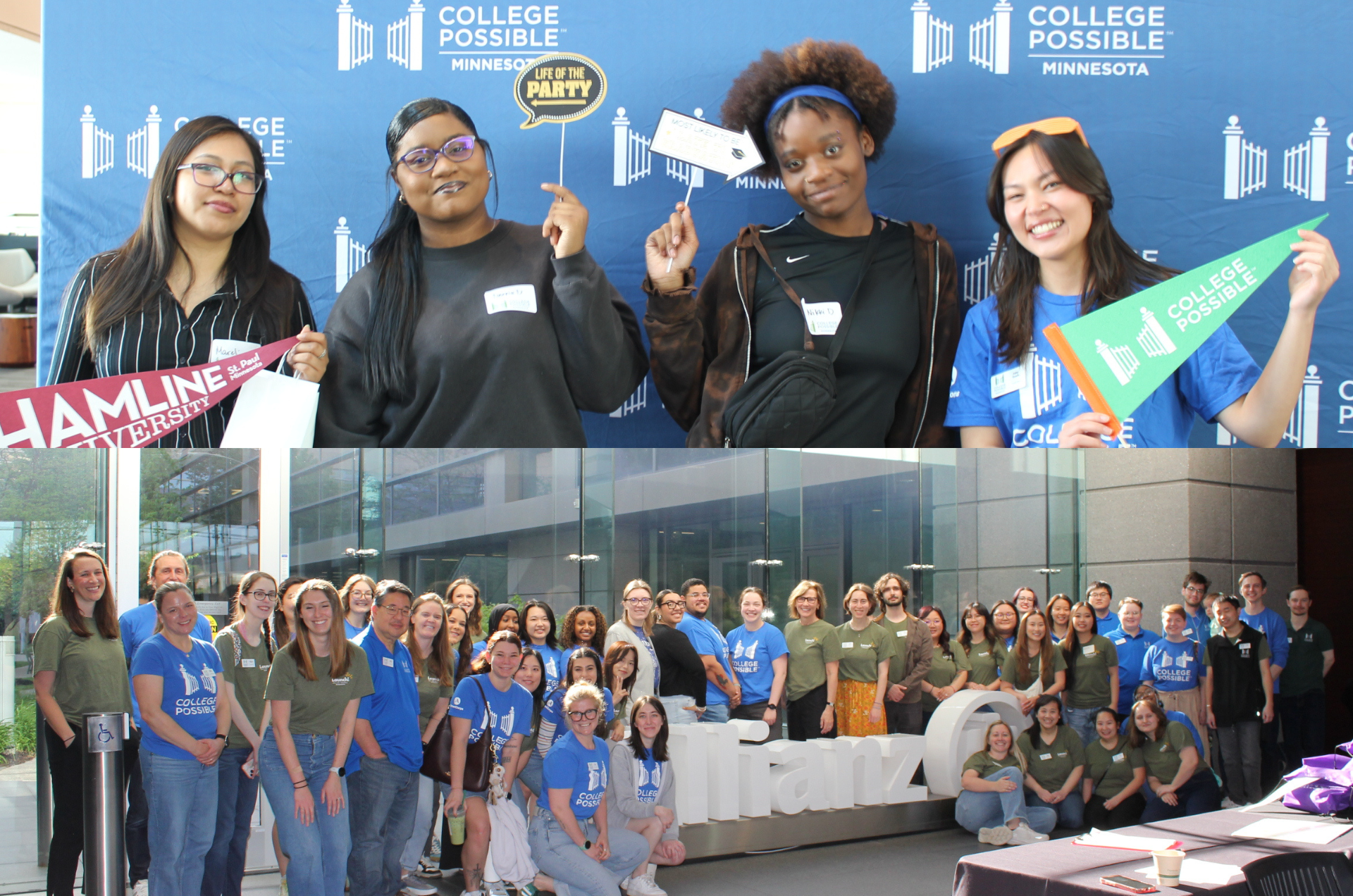
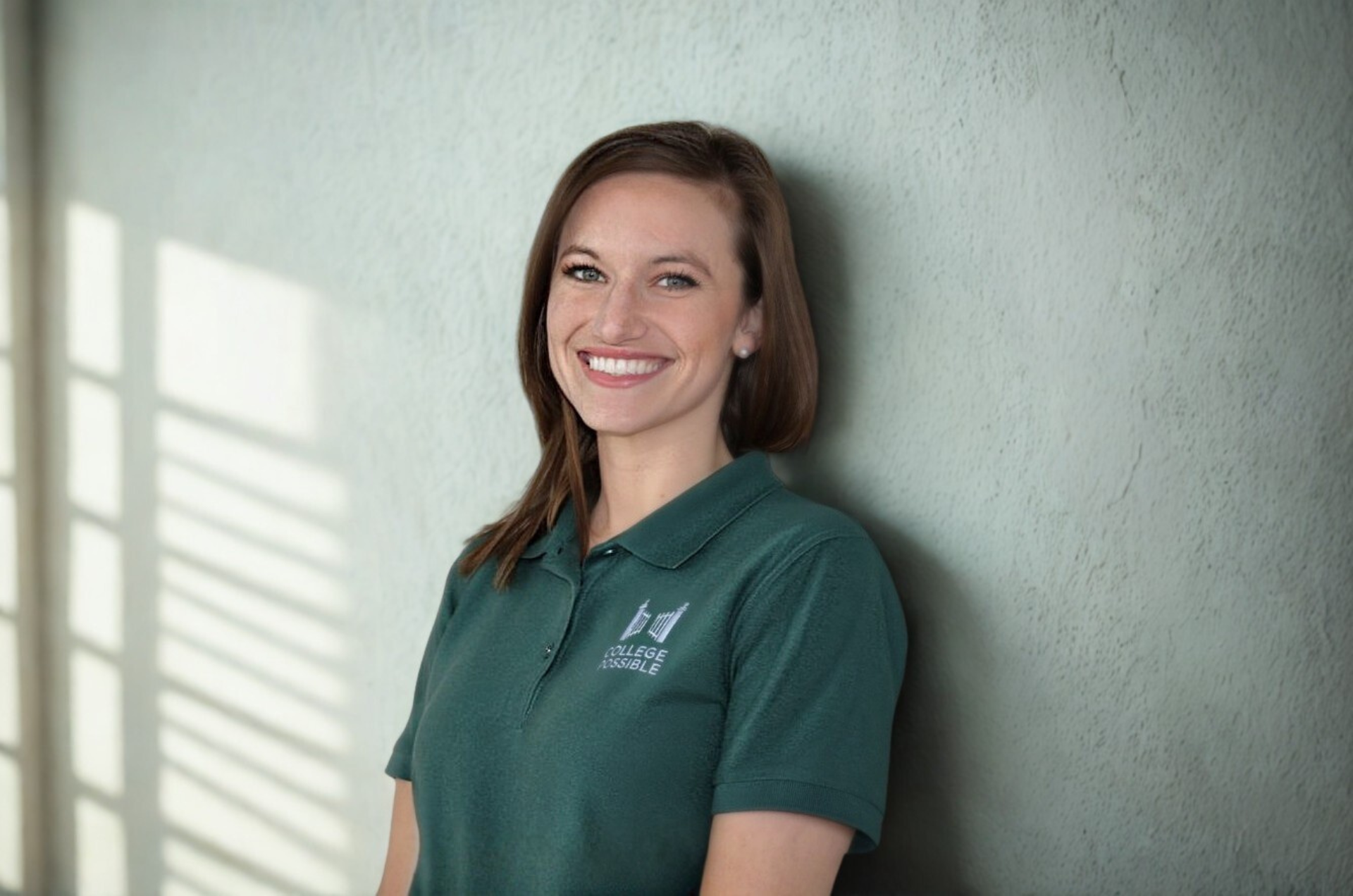
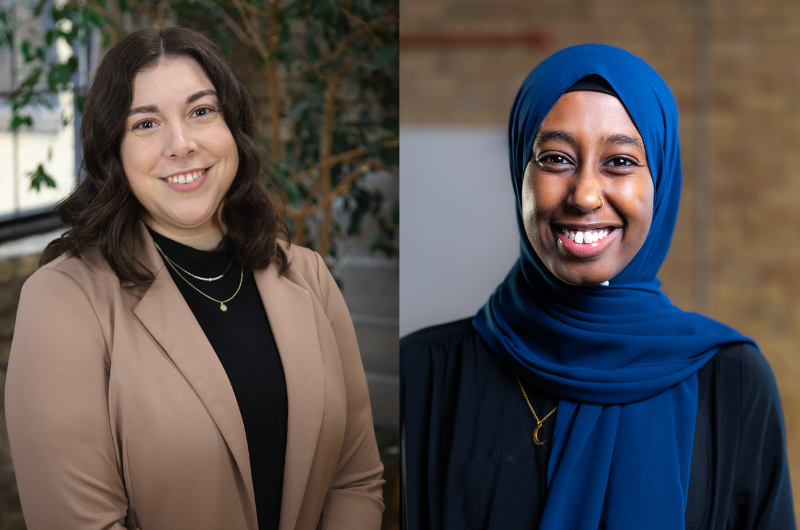
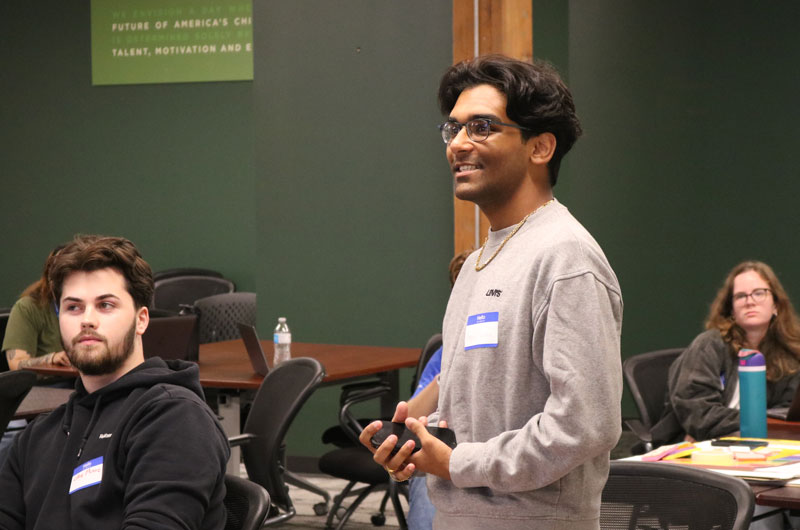
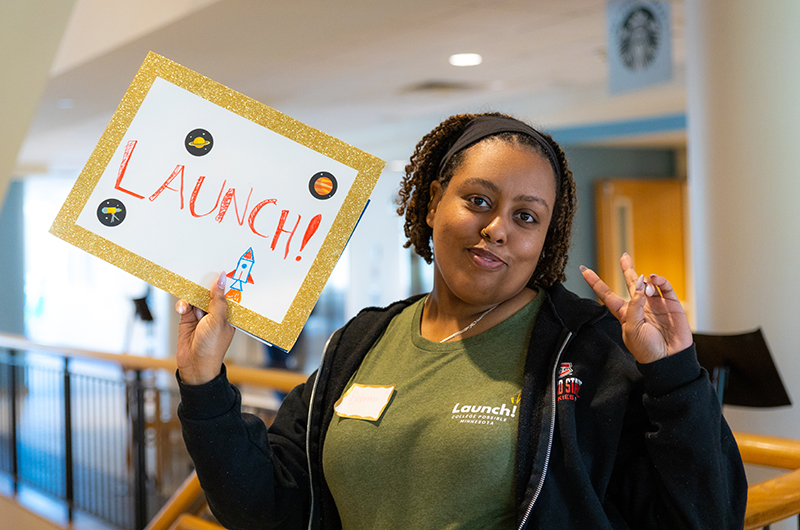
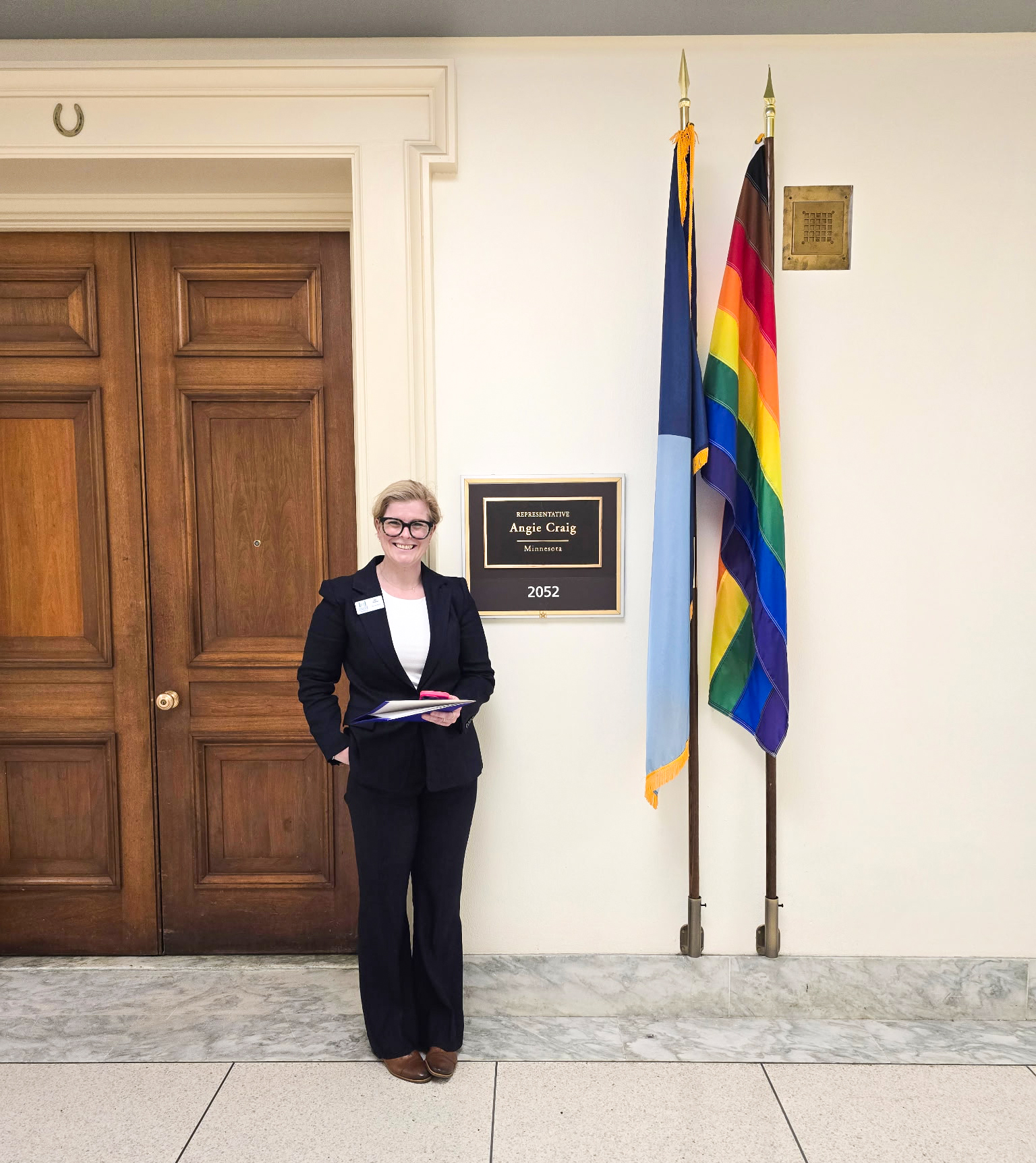
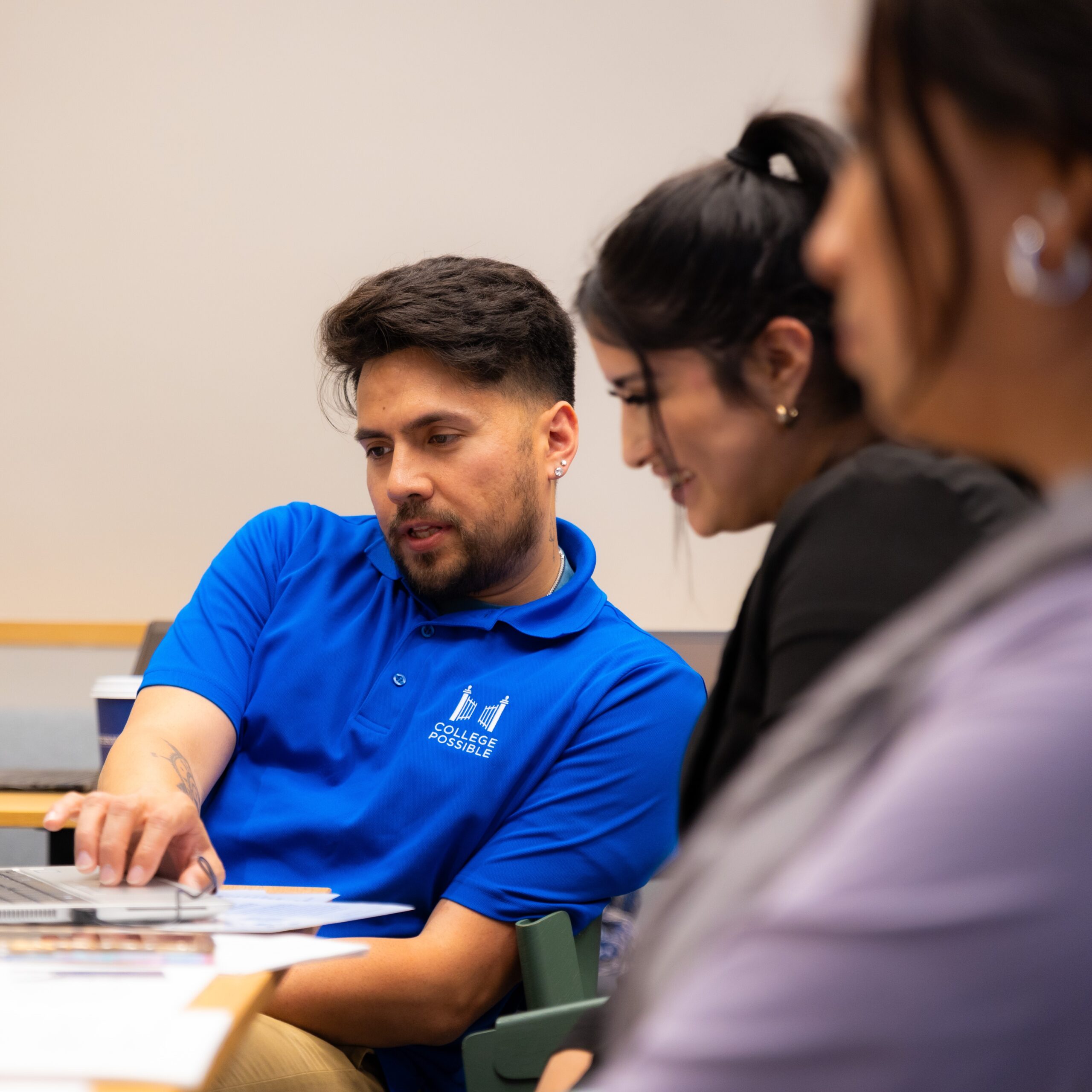
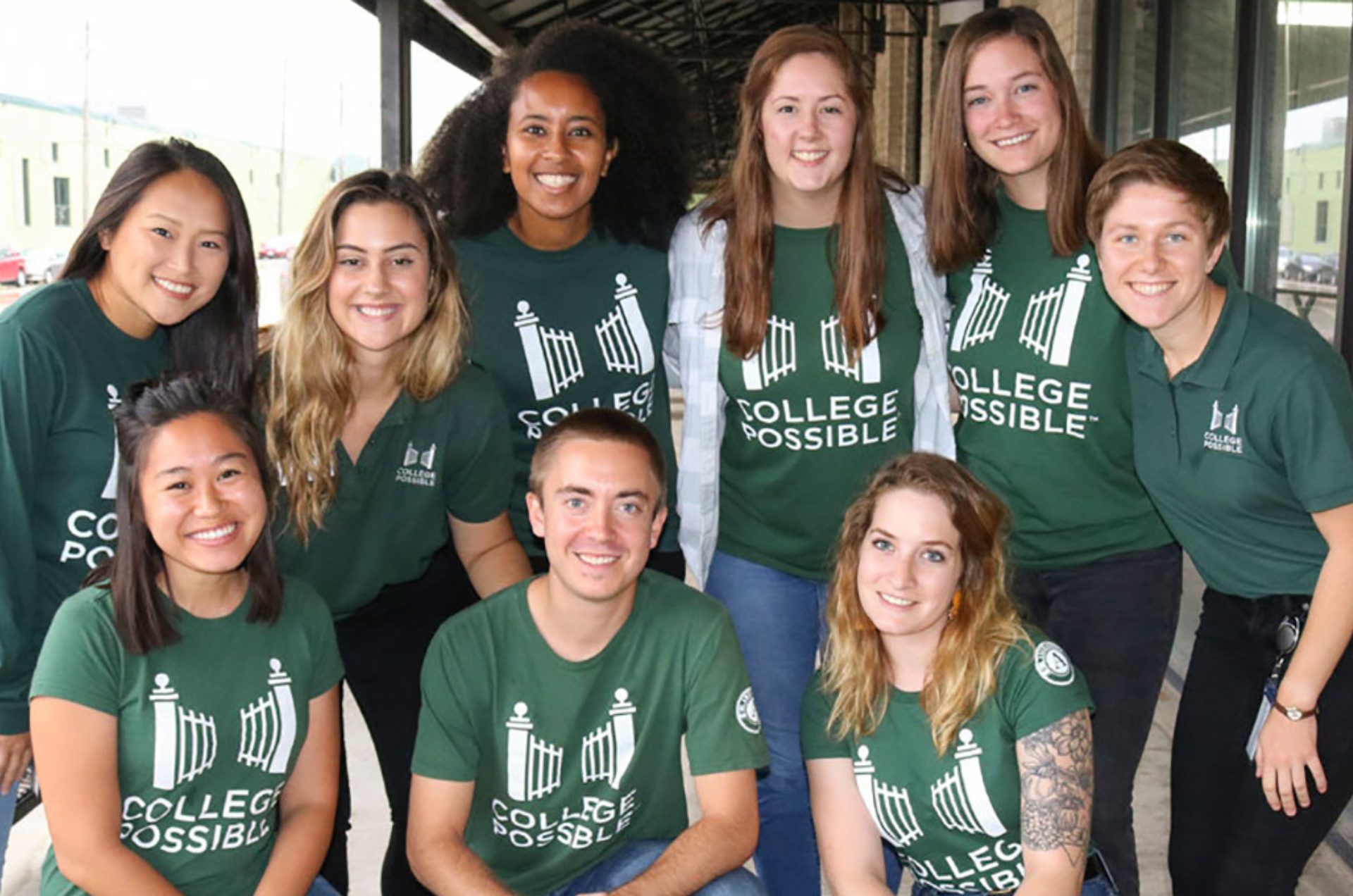
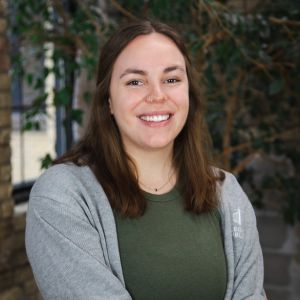
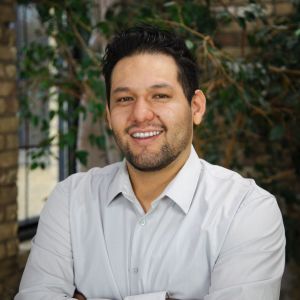
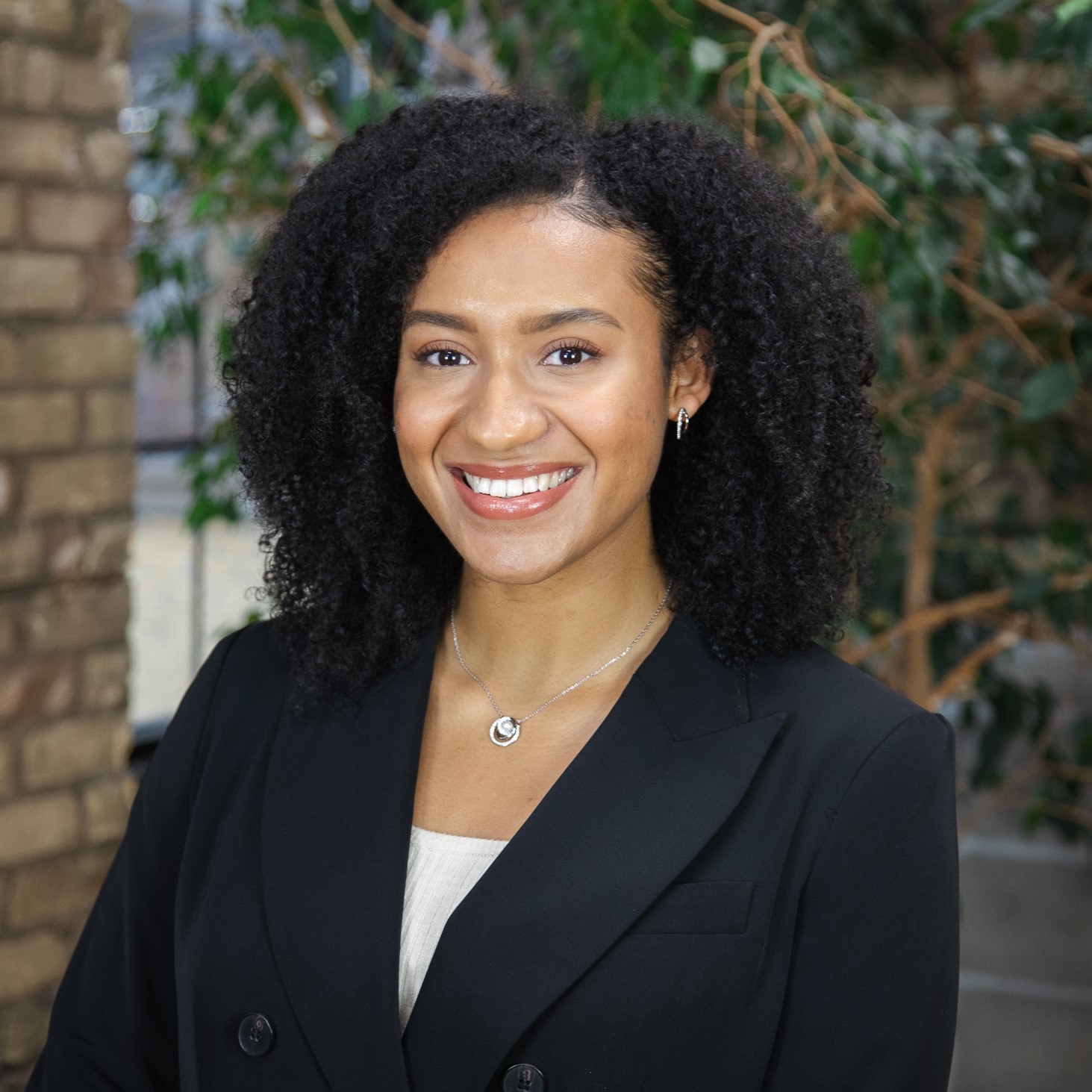
College Possible Minnesota helps students navigate this critical transition. Allison Etter, an advising specialist at College Possible, says that College Possible’s Bridge to Success program is “uniquely designed to combat summer melt and provide guidance for rising college freshmen.” After high school seniors commit to an institution in May, College Possible’s advising specialists meet with students and coaches in-person to streamline the process of attending college in the fall. Etter writes that going over the FAFSA checklist, looking over the housing process for rising college freshmen, and discussing orientation and travel logistics are all part of the Bridge to Success program for college students.
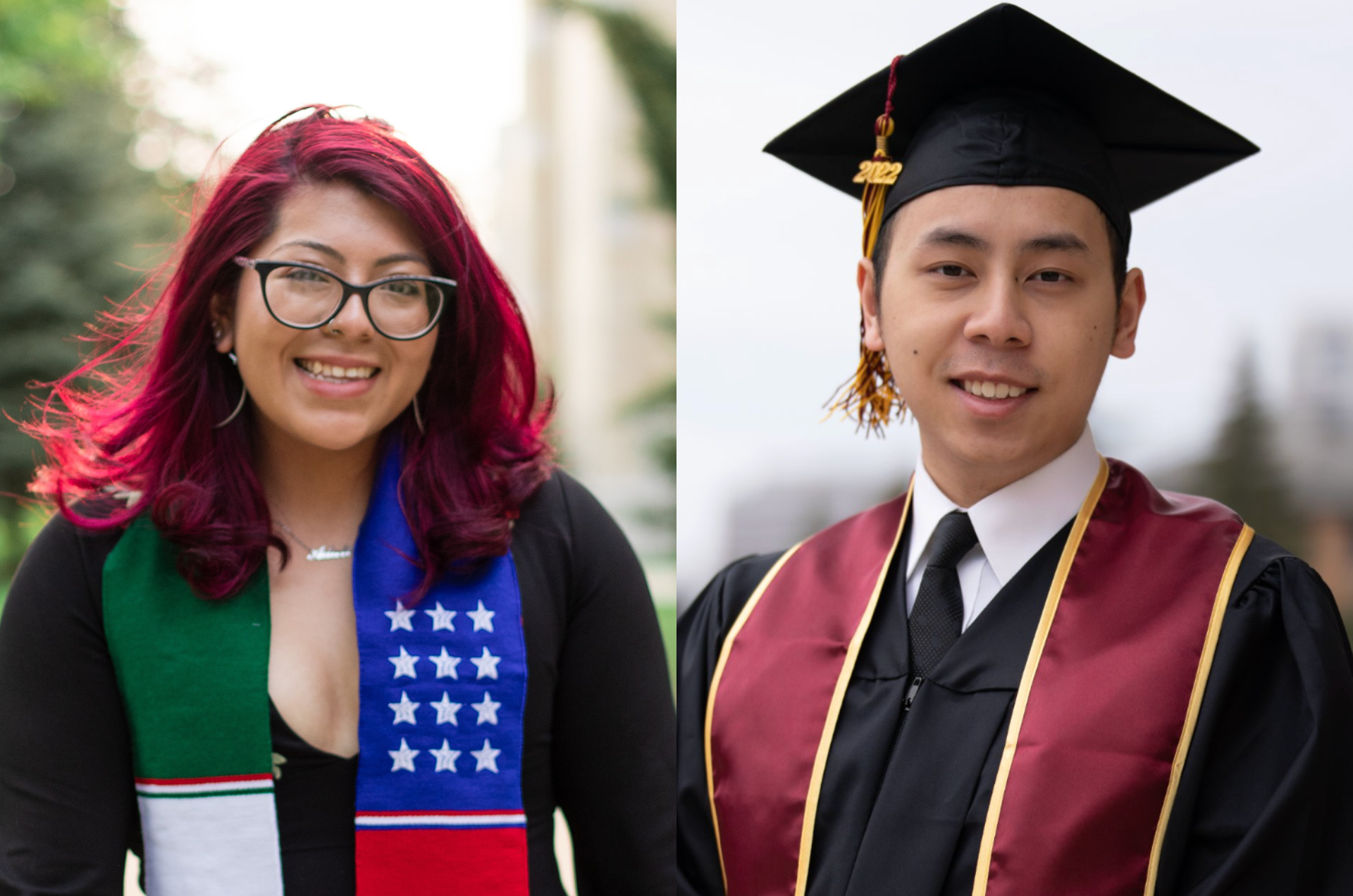
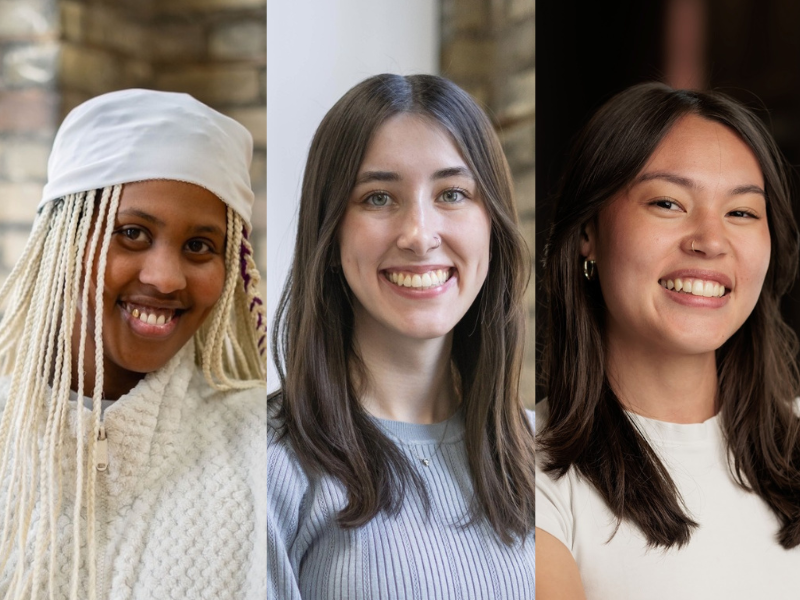
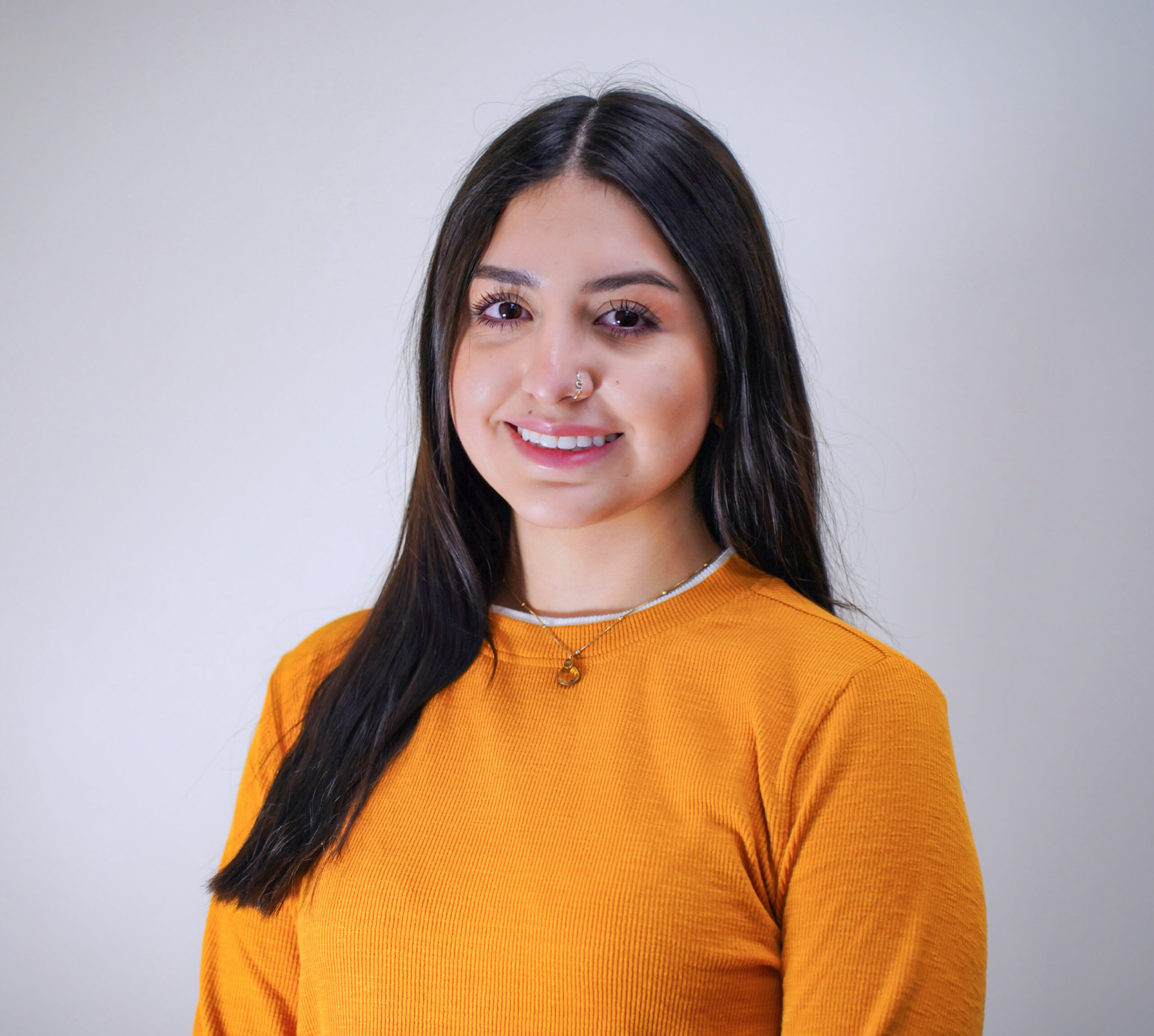
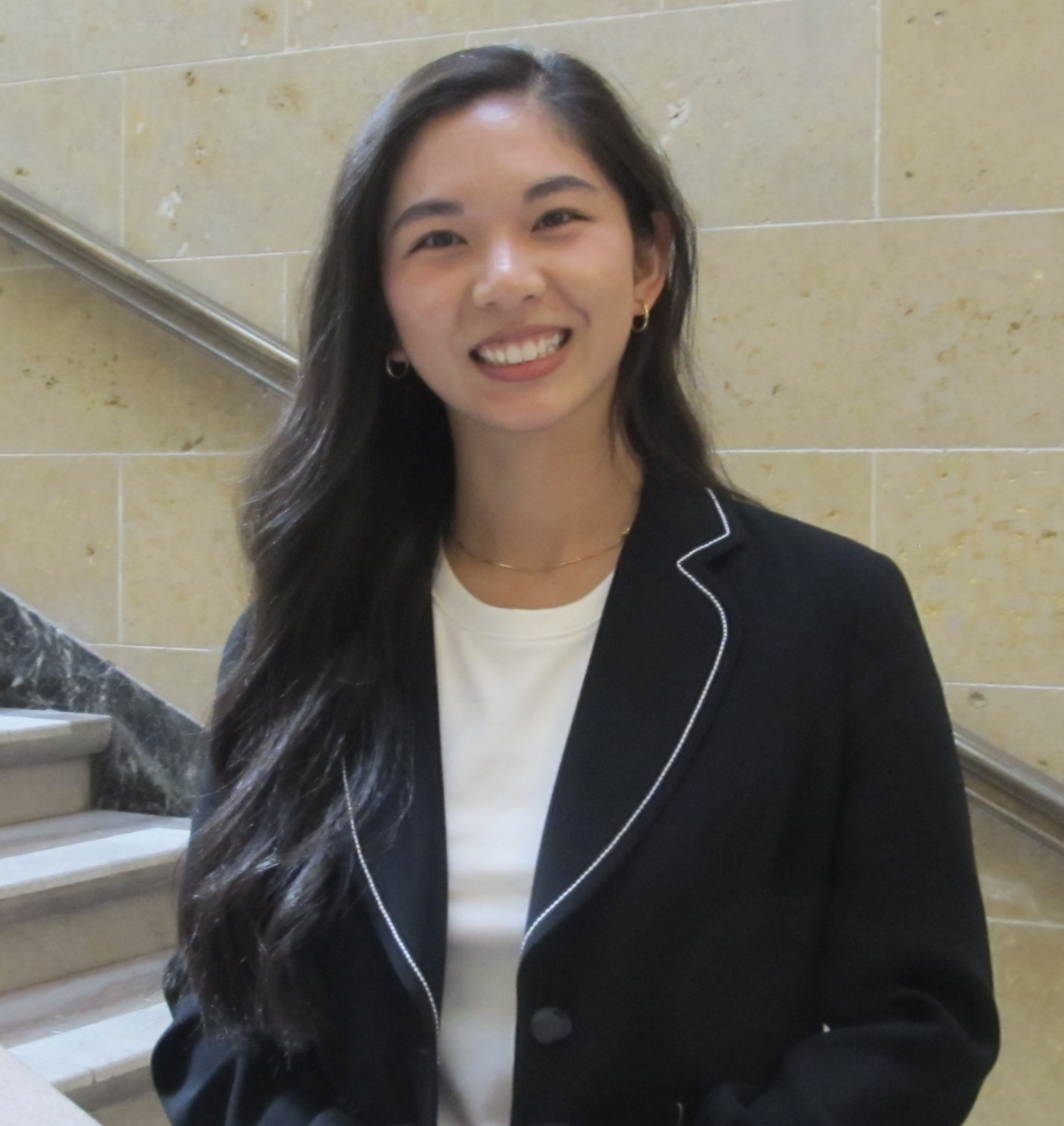
Another advising specialist at College Possible, Coriama Camacho, says that the Bridge to Success program specifically reduces summer melt by “giving students direct face to face communication; when students meet with their college advising specialist, they’re provided with adequate information that takes away the nerves of starting college.” Leah Roche, a senior advising specialist, says that the program is effective in ensuring that College Possible isn’t “[a stranger] reaching out to students in the summer saying, hey, did you register?” Instead, students and coaches are prompted to meet, “[going] over the students’ “why” and their goals. Let’s talk through all the enrollment steps.”
While students whose parents attended college may have family members who can answer questions about enrollment forms, housing, financial aid, or course registration, first-generation students are navigating these processes for the first time. A College Possible coach provides a trusted source of guidance when students encounter unfamiliar terminology, confusing forms, or unexpected obstacles.
The summer months can also bring new financial challenges. Students may need to secure housing, purchase textbooks, complete health or immunization requirements, or figure out transportation to campus. Coaches help students identify resources, break large tasks into manageable steps, and stay focused on their goal of beginning college in the fall. Camacho and Roche both report that through helping students navigate the FAFSA, apply for emergency funding at their future institutions, and feel a sense of belonging in higher education.
Most importantly, College Possible Minnesota’s support reminds students that they are not navigating this transition alone. Regular communication and trusted relationships give students someone to turn to when they have questions or feel uncertain about their next step, increasing the likelihood that a student will successfully matriculate in the fall. It can mean the difference between an acceptance letter sitting in an inbox and a student walking onto campus ready to begin their college journey.