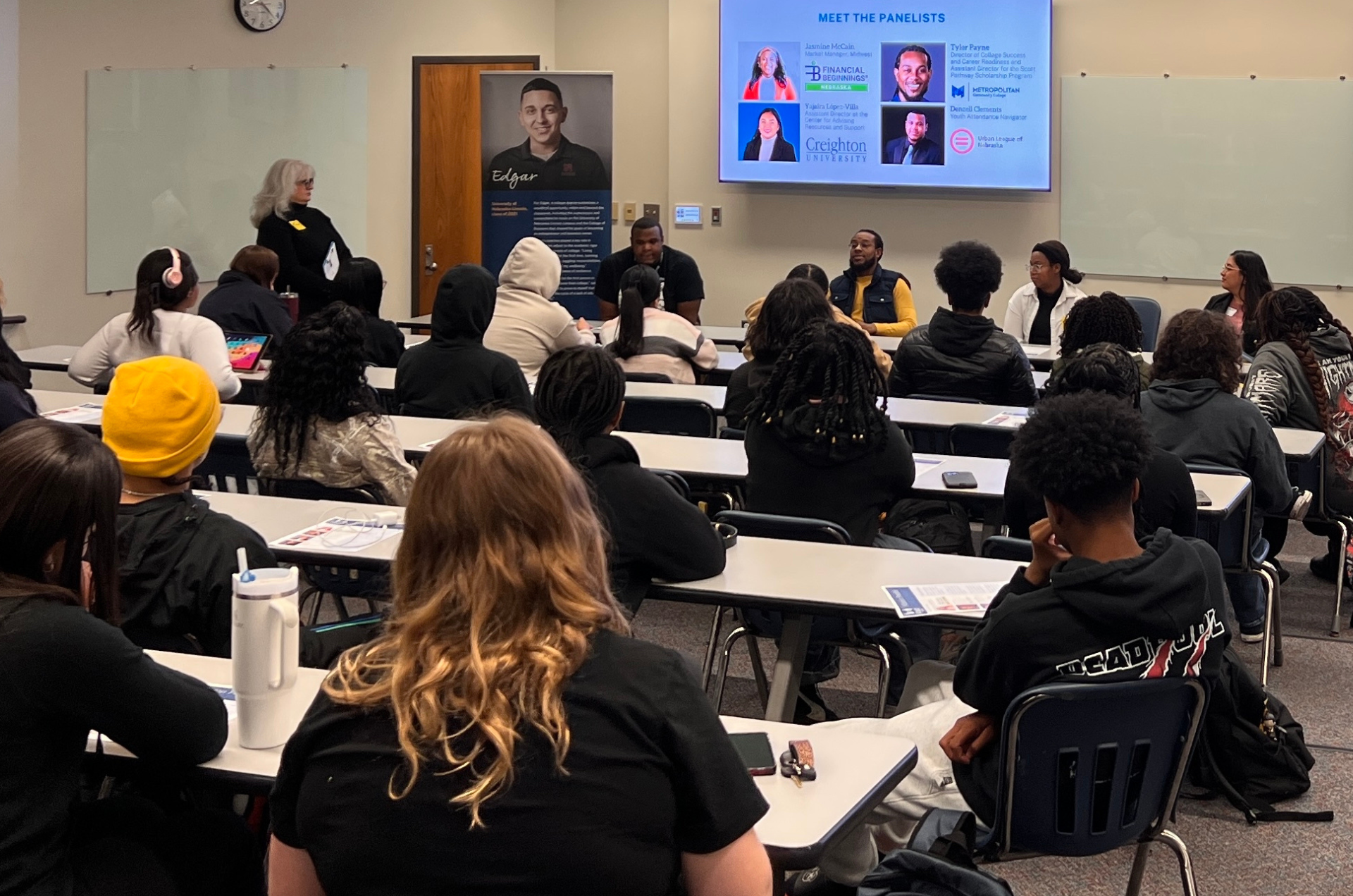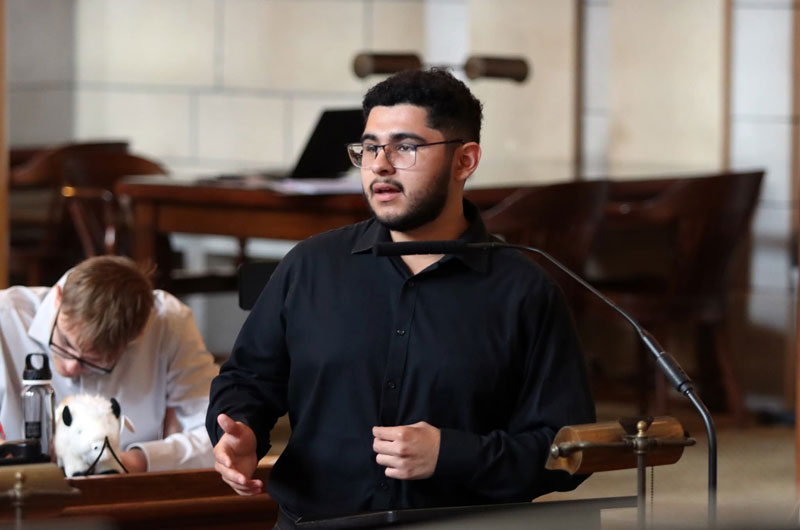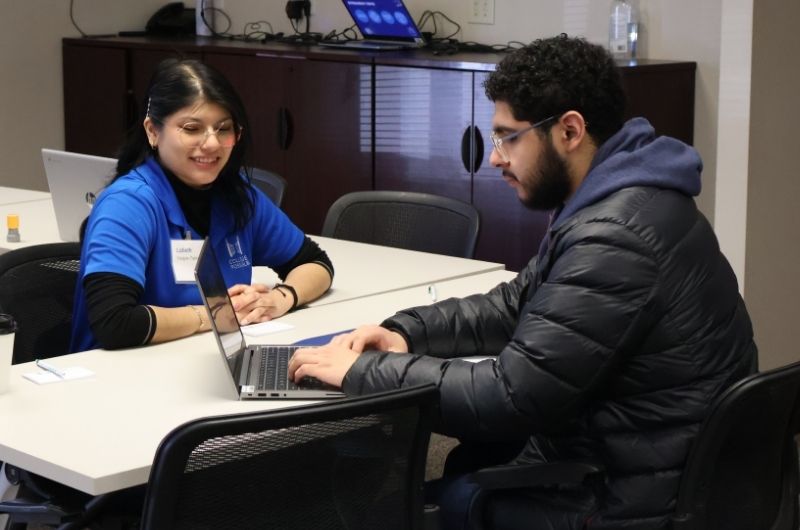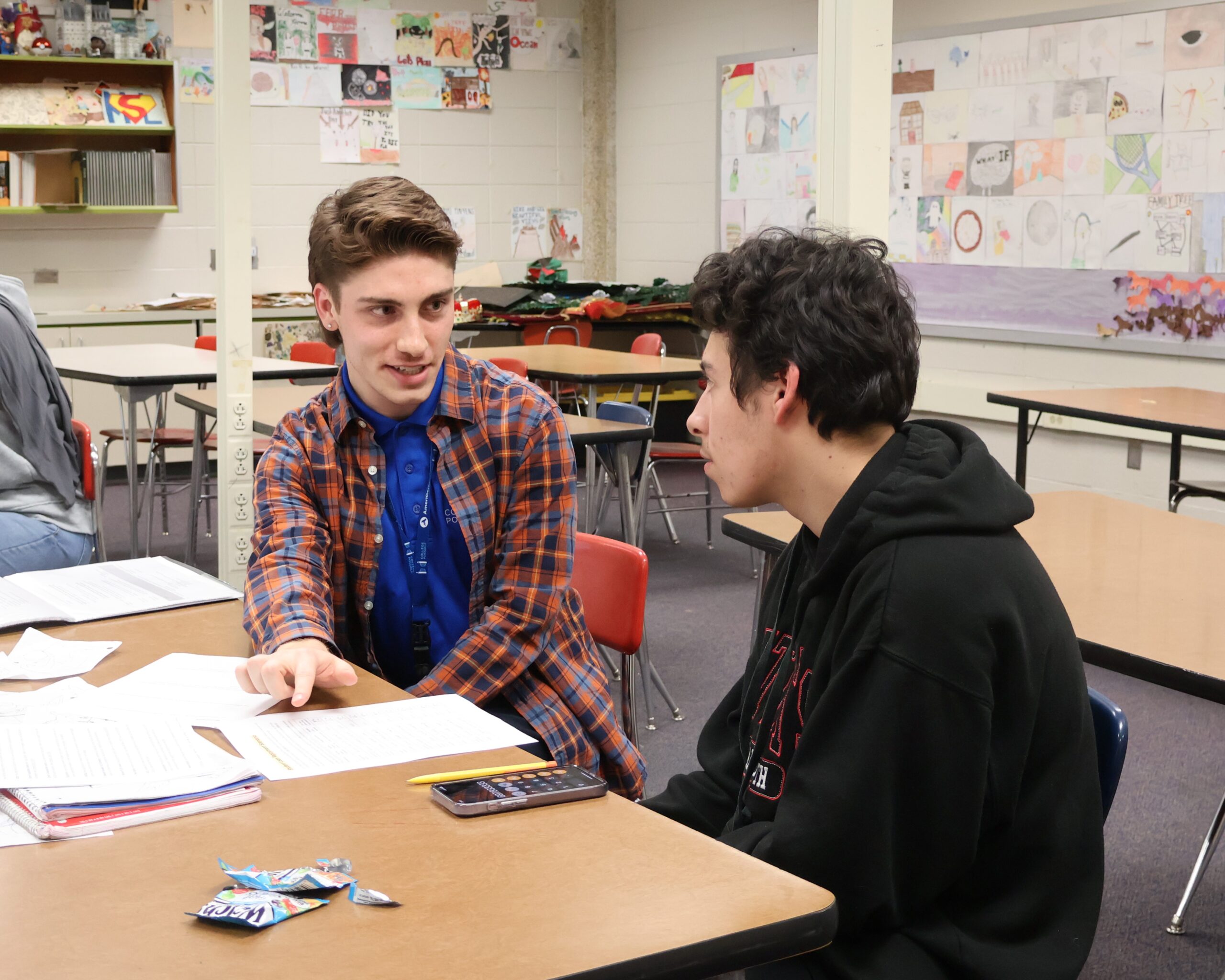
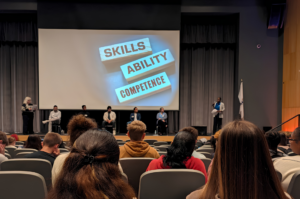
Questions flowed in during our Mission Possible Career Panels.
“Do you actually like your job?”
“How much money do you make?”
“How did you figure out what you wanted to do?”
High school students showed up with honest curiosity and direct questions that reached beyond job titles and descriptions. They wanted to know what working in different fields is really like, what makes a job rewarding and how people find their way into a career.
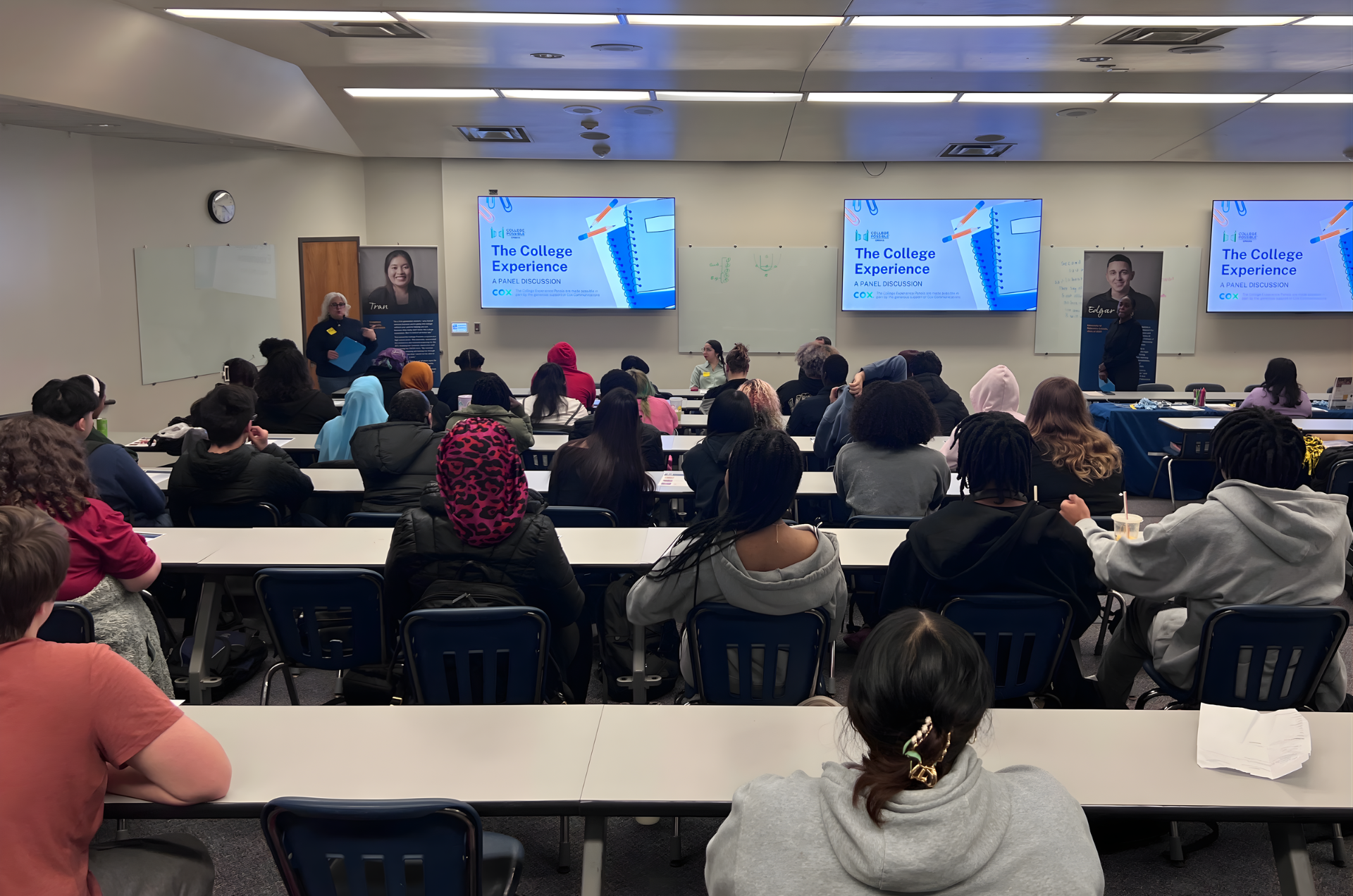
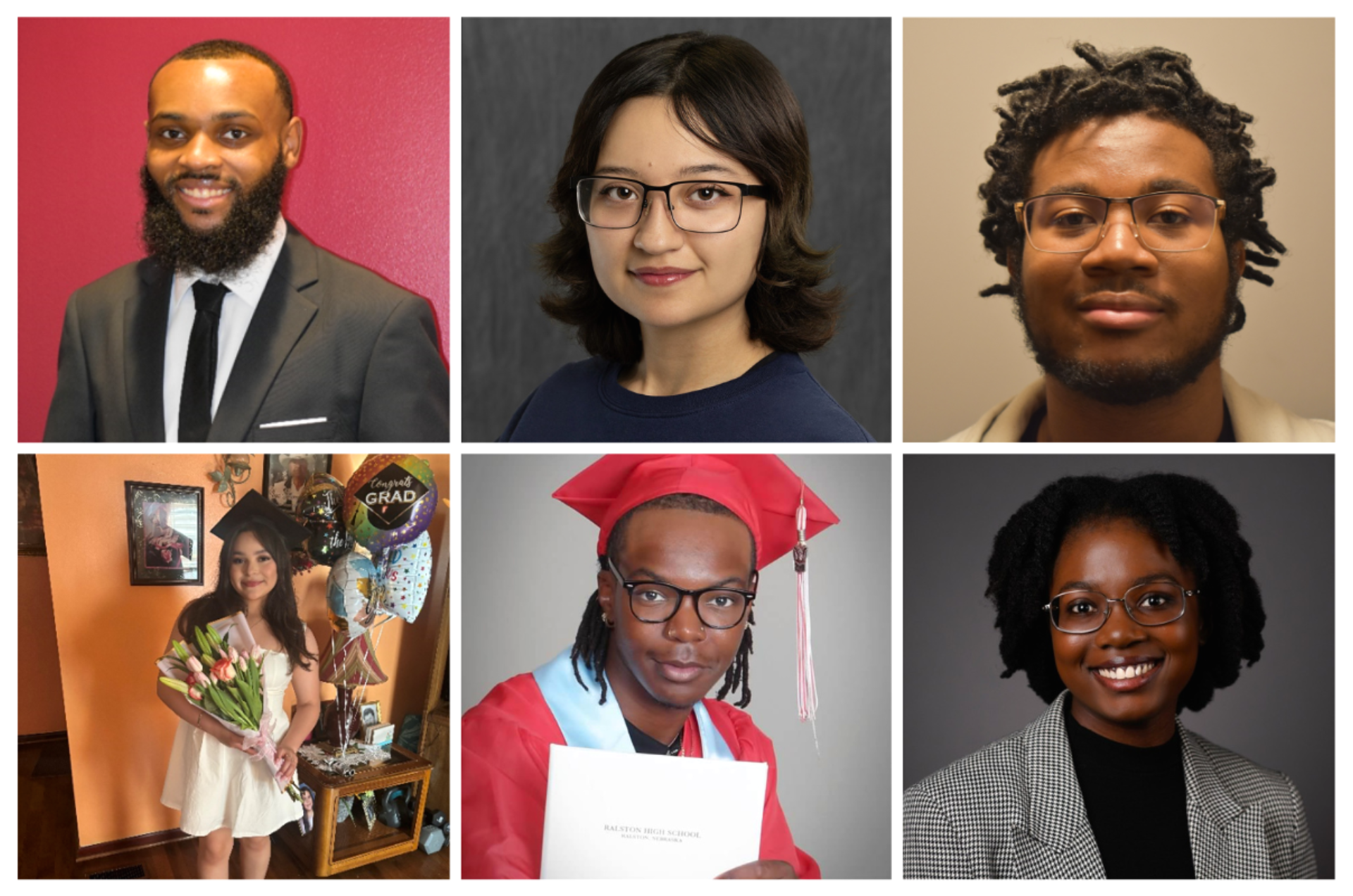
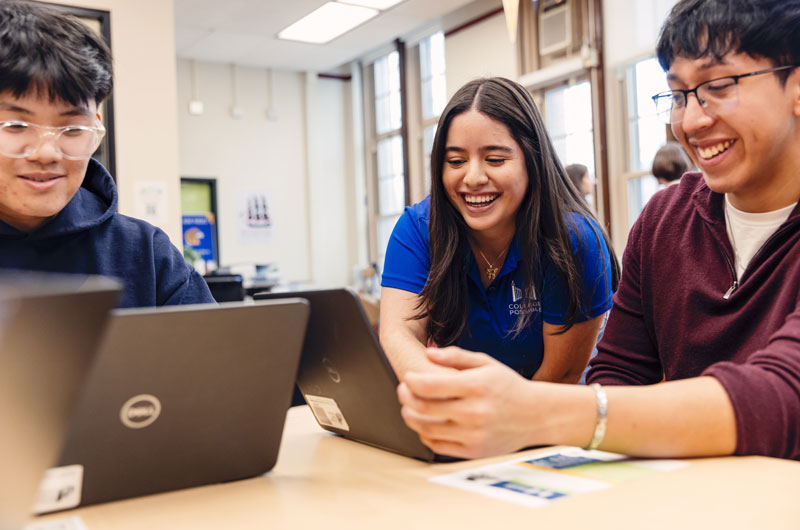
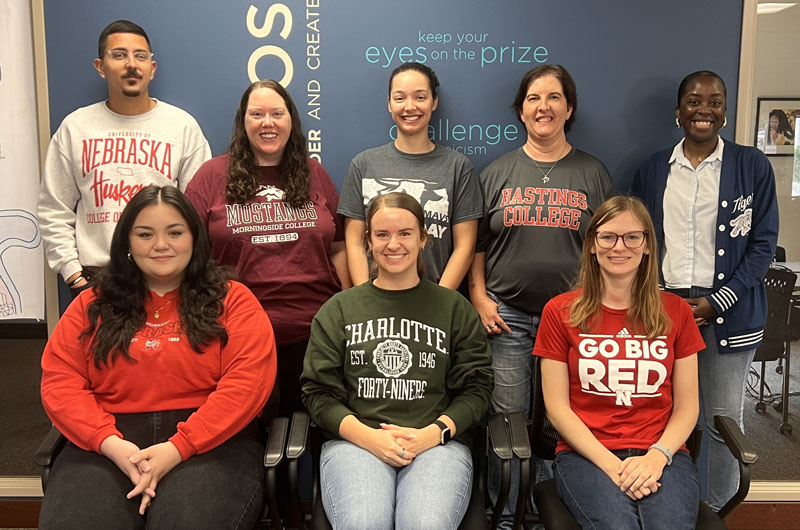
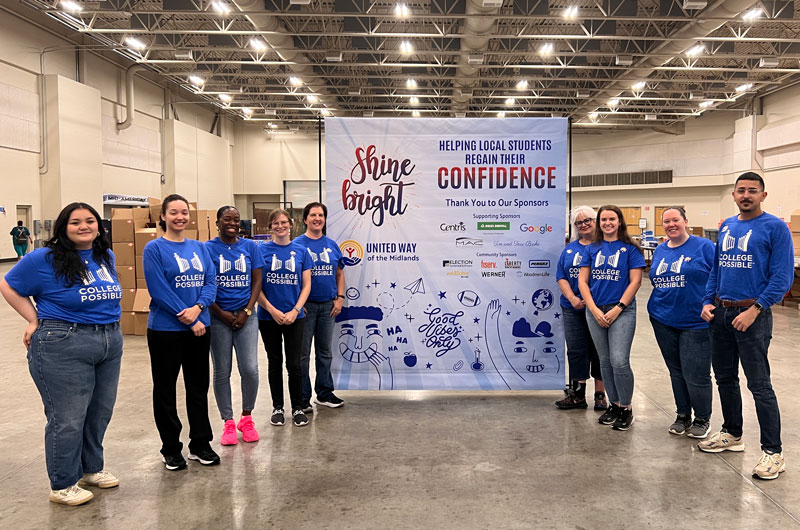
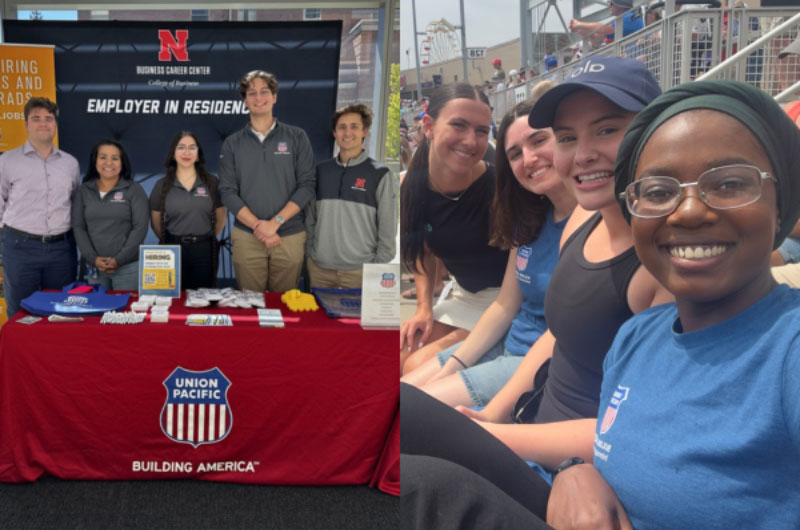
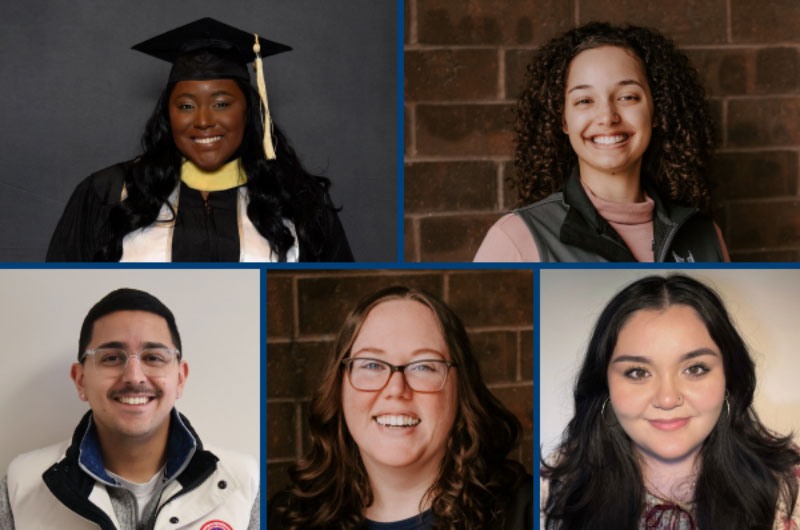
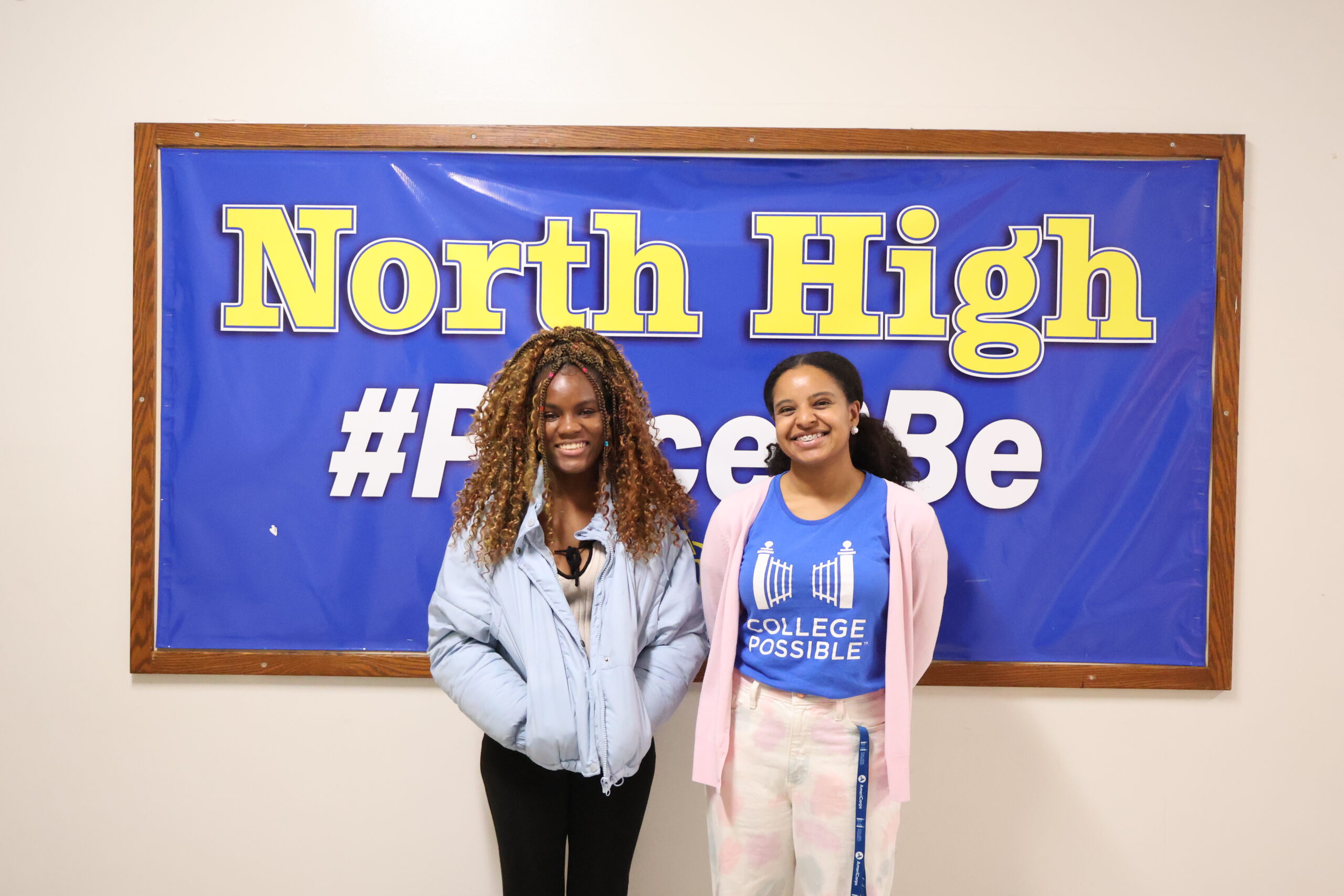
From October through mid-November, College Possible Omaha hosted career panels at nine partner high schools, bringing together 29 volunteers representing 17 organizations and 386 students. Professionals from nonprofits, corporations and a variety of industries shared their experiences, answered questions, and offered students a firsthand look at the world of work.
These conversations are an important part of helping students connect their education to life beyond graduation. Hearing directly from professionals gives students a chance to learn from real experiences, challenge assumptions, and consider what might be a good fit for them.
The Questions That Matter
Students wanted honest answers about the realities of working life. They asked about salaries, job satisfaction, career choices, and what it takes to get started.
Those questions matter. Understanding earning potential helps students think about financial independence and long-term goals. Learning what people enjoy about their work helps them consider what fulfillment might look like in their own careers.
Just as important, students had the opportunity to hear answers that went beyond a job description. Panelists shared what their days look like, what they find challenging, and what keeps them motivated.
Connecting Interests to Opportunities
The panels also introduced students to professions they may not have encountered before. A student interested in art, for example, might not immediately connect that interest to architecture, design or business. Someone who enjoys working with people might discover opportunities in human resources, nonprofit leadership, marketing or community engagement.
Hearing professionals describe their work helped students see how a variety of interests and strengths can translate into different fields. It also reinforced that there isn’t just one way to build a meaningful career.
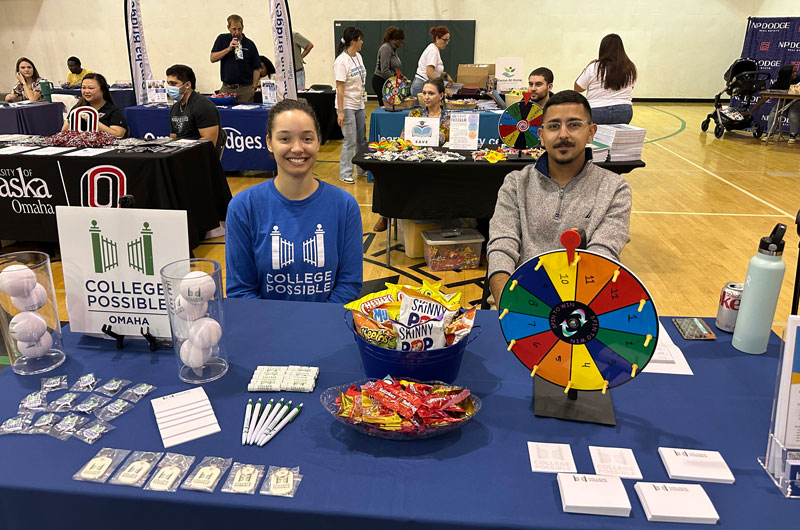
The conversations continued after the panels, thanks to our college partners at the University of Nebraska Omaha, College of Saint Mary, and Wayne State College. Their admission representatives met with students to provide an overview of their institutions and share information about the educational programs and opportunities available right here in Nebraska.
For College Possible Omaha, creating these opportunities is part of supporting the whole student journey. College is not simply about choosing a major or earning a degree; it’s also about developing interests, gaining experience, and preparing for what comes next.
It’s Okay Not to Have It All Figured Out
Some of the most meaningful moments came when panelists talked about their own journeys. Several shared that they entered college unsure of what they wanted to do. Others described changing interests, unexpected opportunities, and the persistence it took to find a path.
Their stories offered students an important reassurance: It’s okay not to have everything figured out.
There can be pressure to choose the right college, major and career path, especially when it seems like everyone else has a plan. But the panelists showed that careers rarely follow a perfectly predictable route. People learn along the way, discover new interests and sometimes find their direction through experiences they never anticipated.
Helping Students See What’s Ahead
At College Possible Omaha, we know student success involves more than getting to college and earning a degree. Students also need opportunities to learn about the world beyond the classroom and connect with people who can share insight from their own experiences.
A conversation may introduce a student to a profession they had never considered. A panelist’s story may help someone feel less uncertain about their own path. And an honest answer about the realities of a job may help a student make a more informed decision about the future.
Students don’t need to have their entire future mapped out. They need opportunities to ask questions, learn from others, and take their next steps with confidence.
Many thanks to our volunteers and the organizations they represented:
- Carlson West Povondra Architects
- Child Support Services Sarpy County
- CIRA
- College of Saint Mary
- Completely Kids
- HDR
- Holland Basham Architects
- Lozier Foundation
- Omaha Storm Chasers
- QXO
- ROSS Leaders
- Trusted Wealth Partners
- Union Pacific Railroad
- United Way of the Midlands
- University of Nebraska Omaha
- Vine Digital Studios