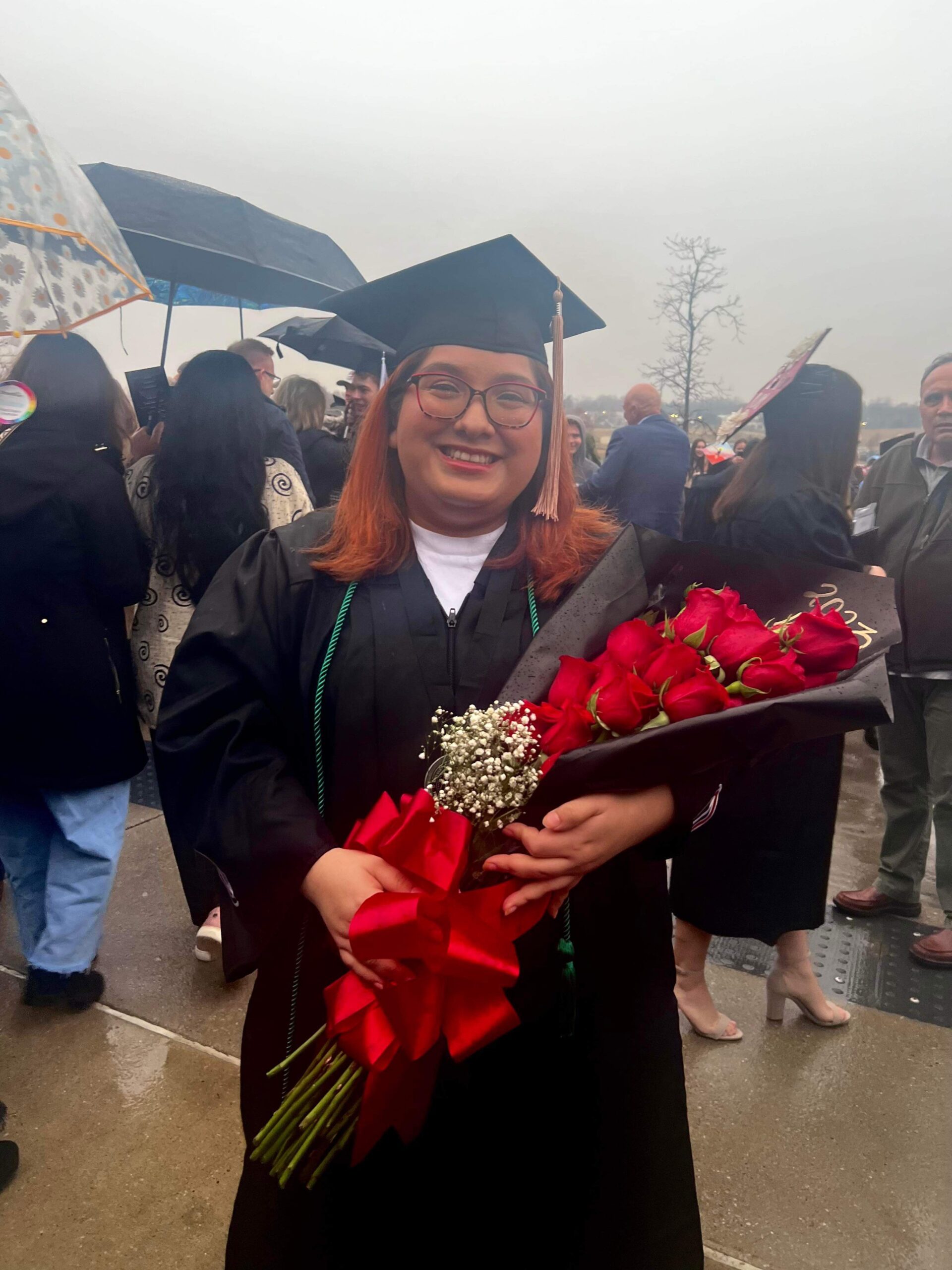

For many high school students, imagining life after graduation can feel overwhelming. College, careers and long-term goals come with countless decisions—yet many students have limited exposure to the full range of paths available to them. That’s why early and intentional career exploration is a vital part of helping young people prepare for the future.
According to the Nebraska Department of Education, research shows that students are more motivated and perform better academically when they understand how their schoolwork connects to their future goals. Exploring careers helps students learn what they enjoy, what they do well and how their interests can translate into real opportunities. It also exposes them to a wider range of professions than they may encounter in their daily lives—helping them choose paths that genuinely align with their strengths and values.
Clearer Direction, Smarter Choices
One of the biggest benefits of early career exploration is the clarity it gives students as they transition into college. When young people spend time learning about different fields and gaining real-world experience, they’re better prepared to choose majors that align with their interests.
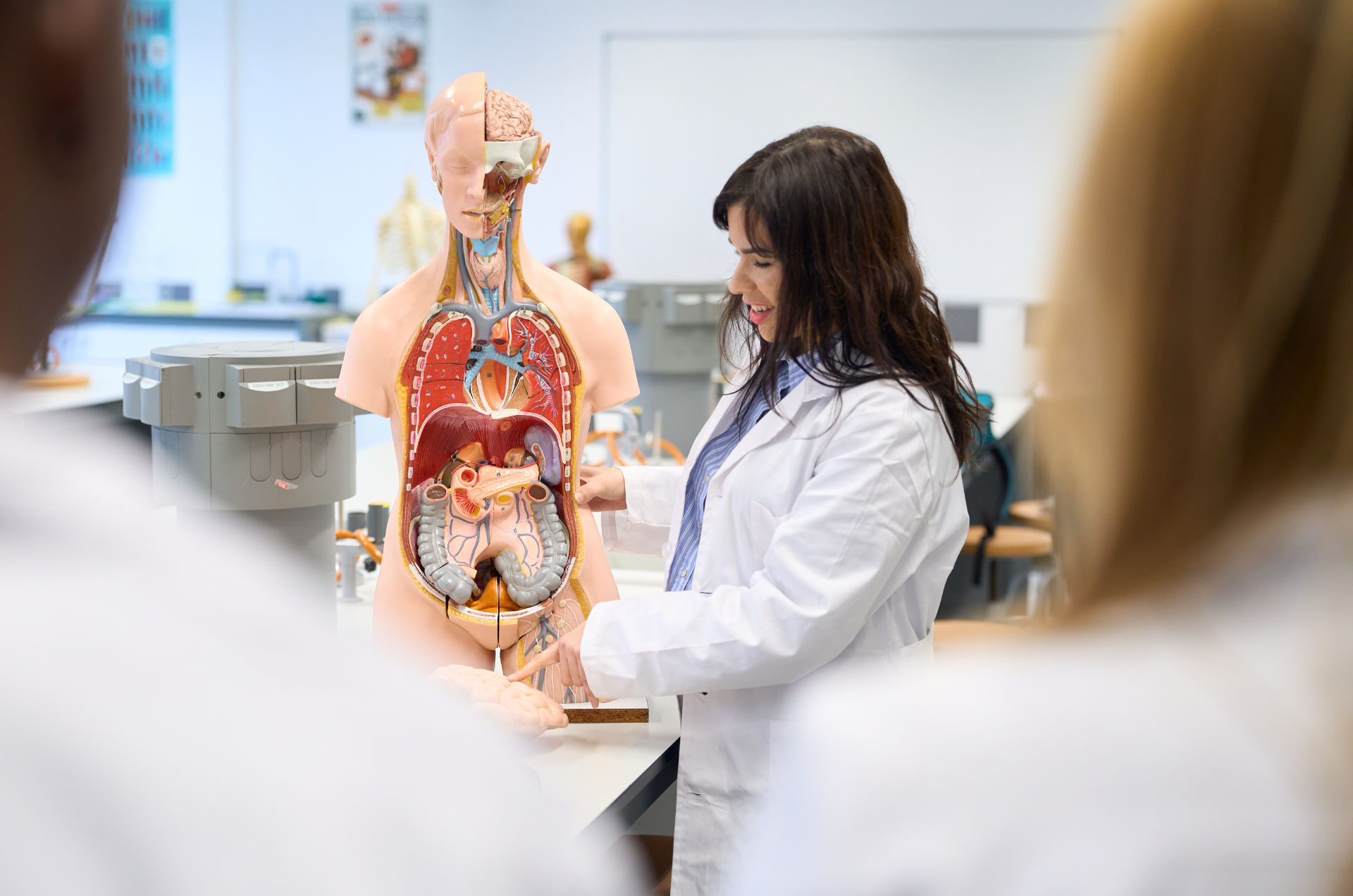
For example, a student who participates in a medical research internship during high school will quickly learn if the field truly excites them. If it does, they can better understand the types of courses, labs, or additional research they may want to pursue. Another student who shadows someone in information technology or construction might decide to study engineering, entering college with firsthand knowledge of how those industries operate.
This kind of direction matters. Students who have explored careers before college tend to declare majors earlier, switch majors less often, and progress through their programs more efficiently. Fewer major changes mean fewer lost credits, lower costs, and a greater likelihood of graduating on time. In many cases, early career awareness leads to both higher retention and a stronger return on a student’s educational investment.
Real-world experiences make college feel more purposeful. Students begin their academic journey with a sense of where they’re headed and why it matters.
College Possible Omaha’s Approach: Turning Curiosity Into Confidence
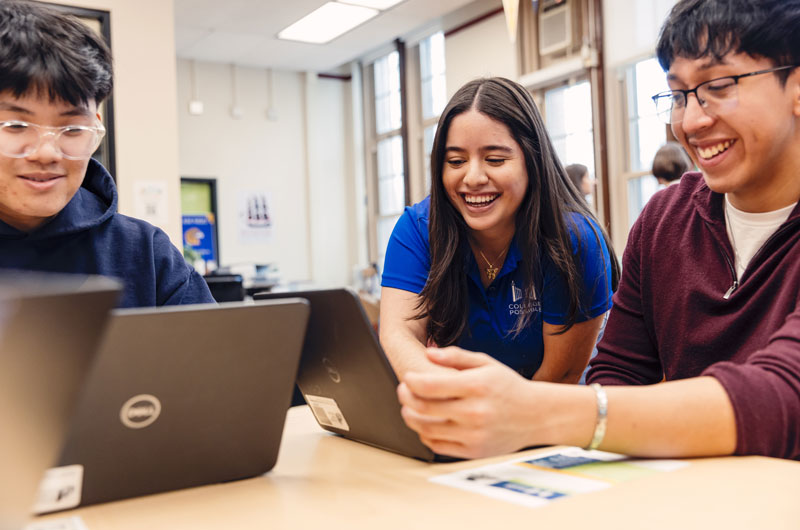
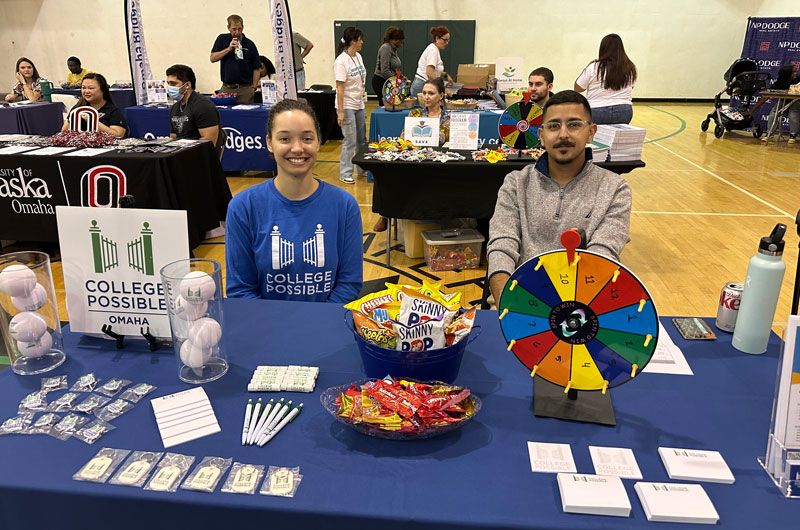
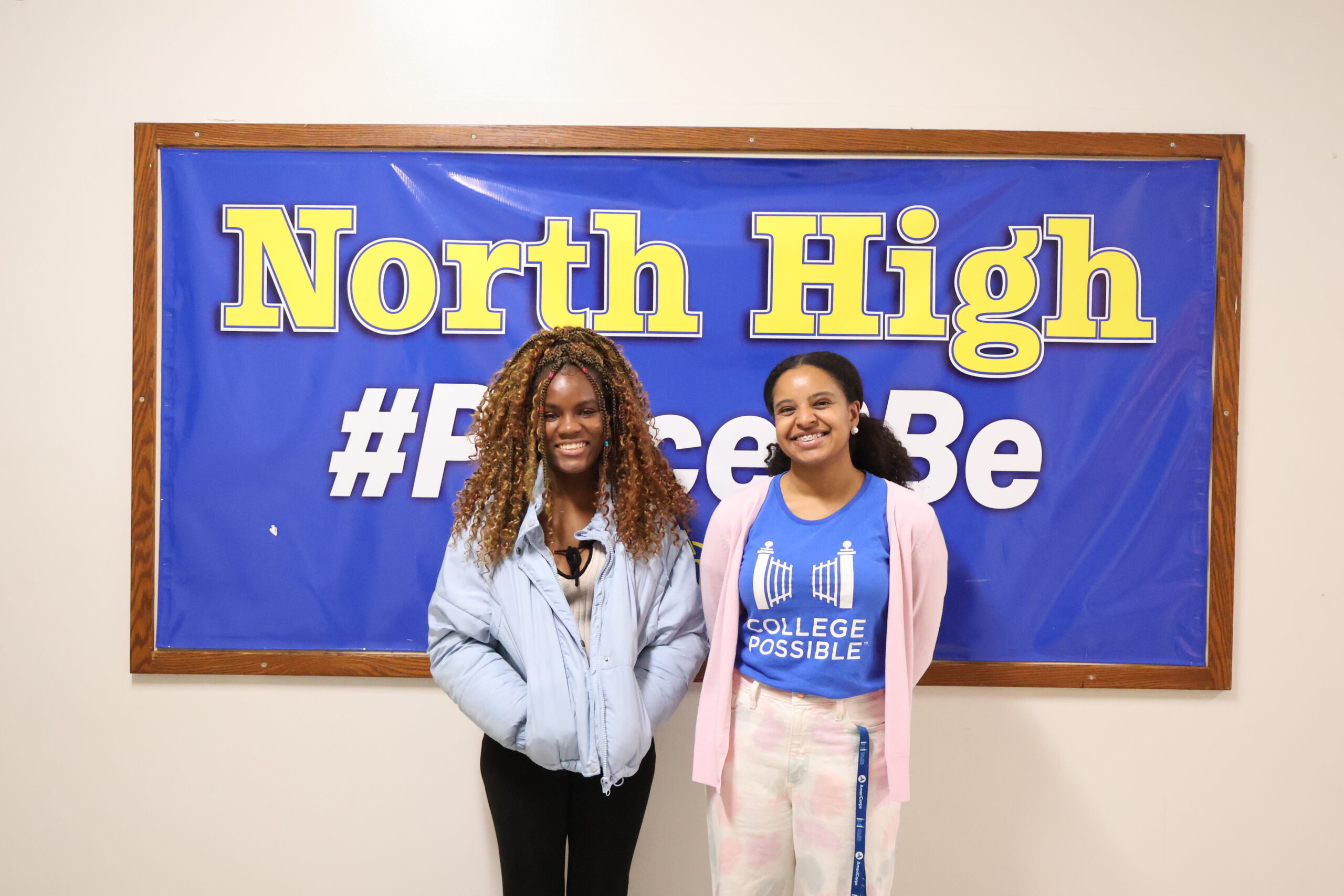
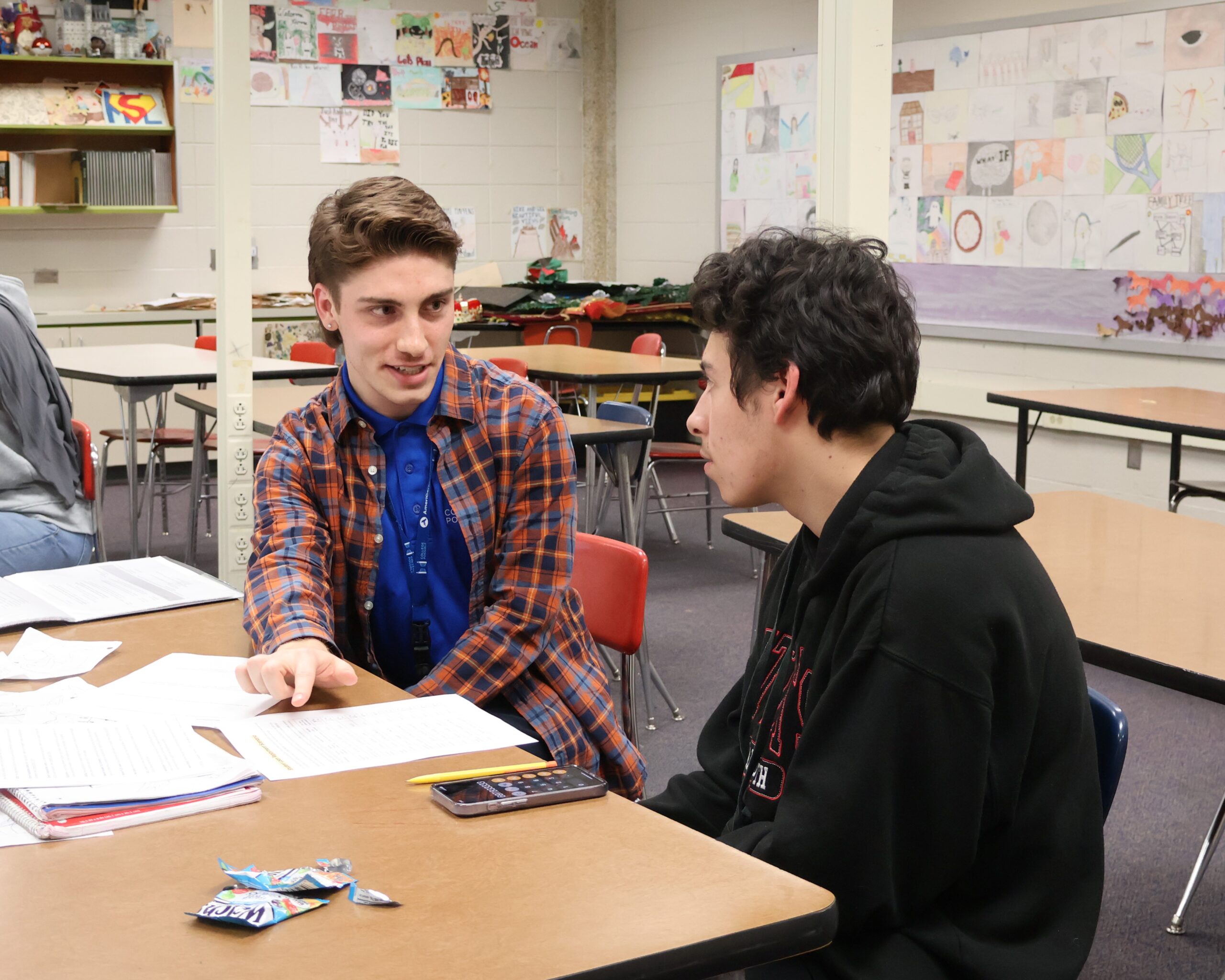
College Possible Omaha helps students bridge the gap between exploring their interests and preparing for higher education. Because college is the pathway, and a meaningful career is the goal, helping students clarify their ambitions early makes the transition to college a little less overwhelming.
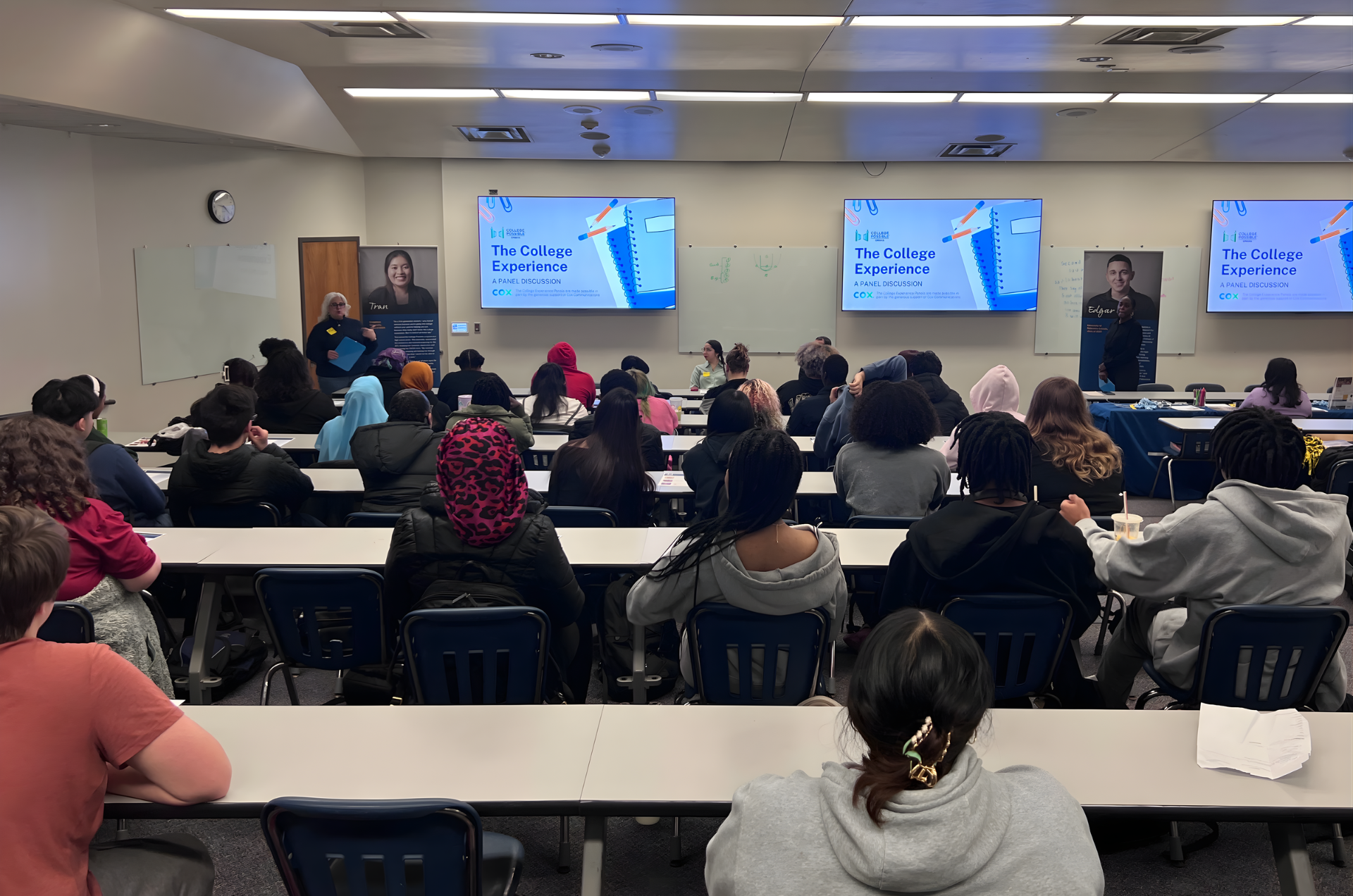
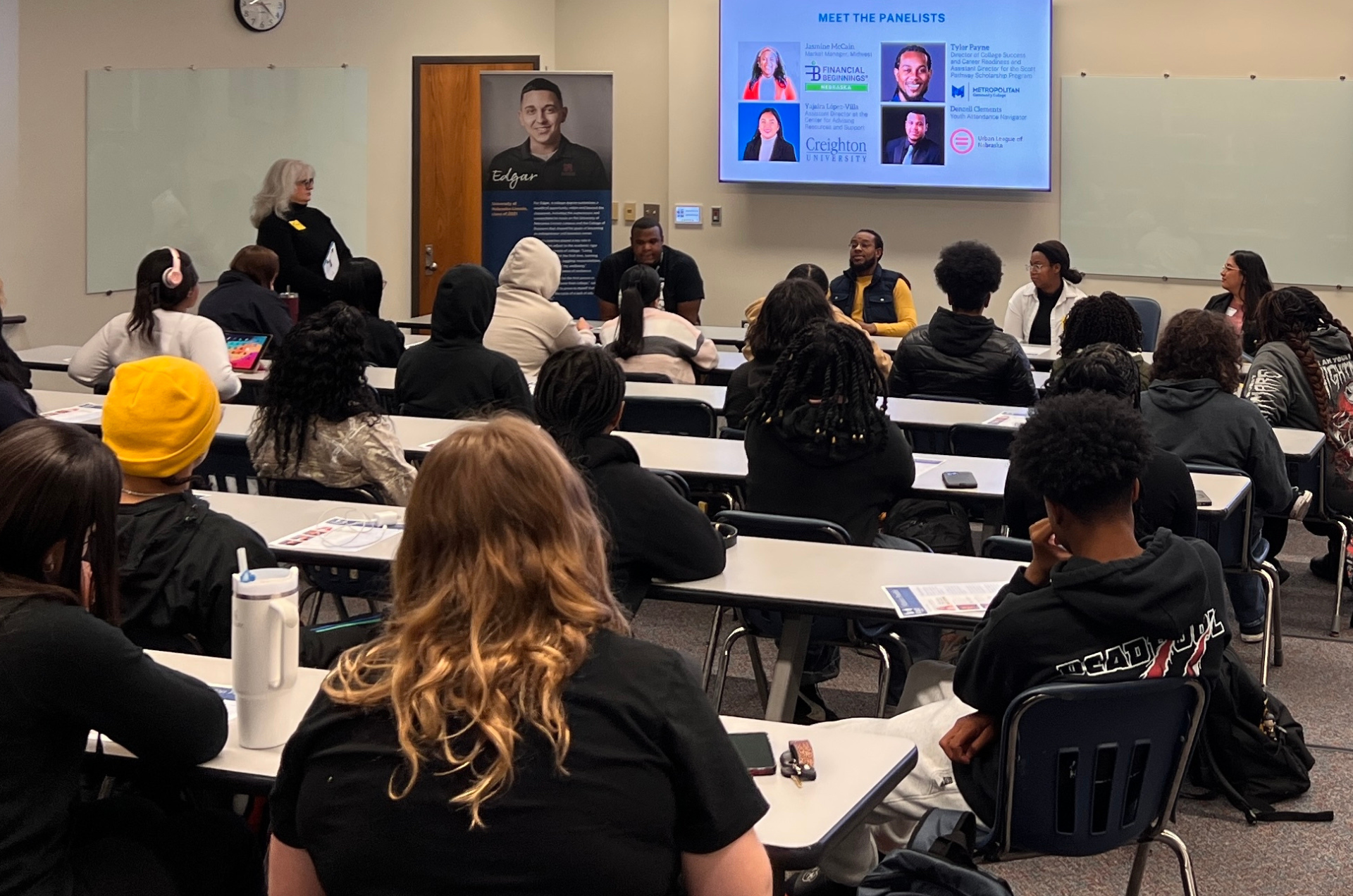
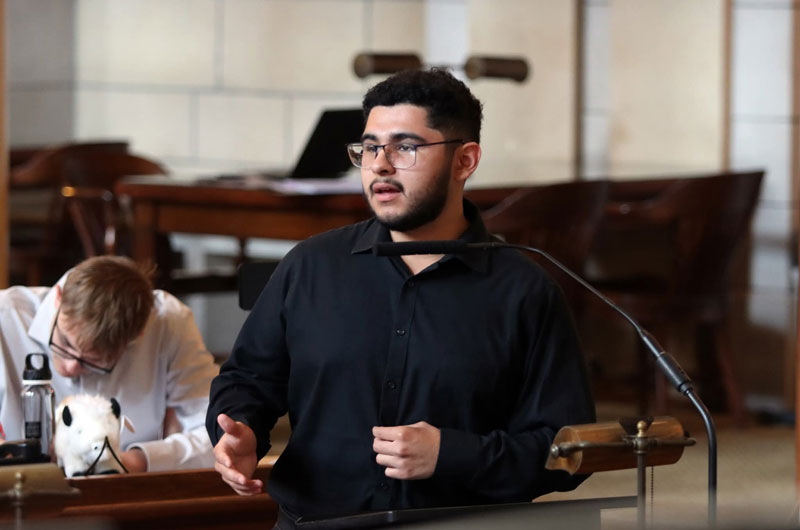
This fall’s Mission Possible Career Panels brought professionals from various industries into our partner high schools to share advice, answer questions, and describe what their day-to-day looks like in their field. Many encouraged students to try job shadowing, internships, volunteering, and other hands-on experiences to help them understand different fields.
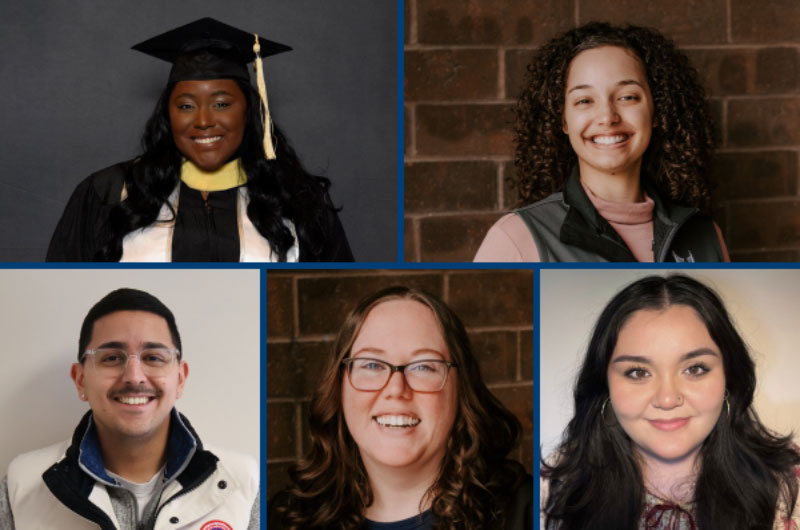
One panelist shared how early exposure shaped her own journey. She grew up dreaming of becoming a veterinary technician until she worked in a vet clinic and realized it wasn’t the right fit. That experience helped her discover that her passion lay in working with students instead. Her story underscores a core truth: discovering what doesn’t fit is just as valuable as finding what does.
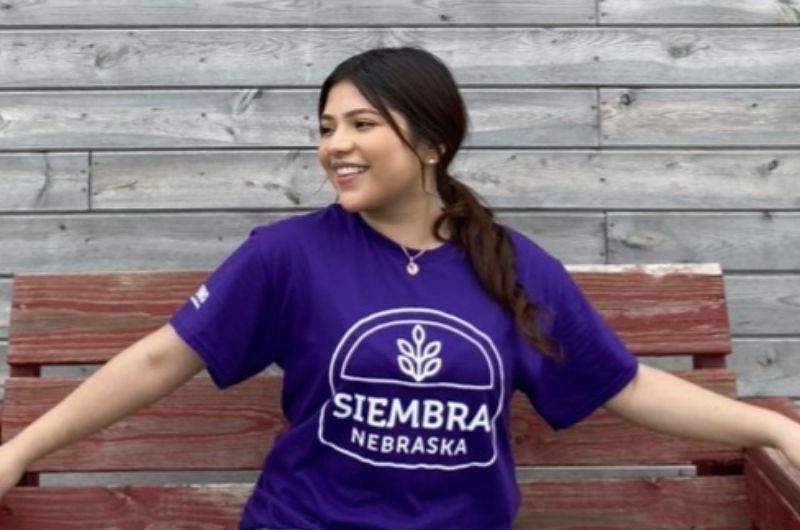
This year’s Mission Possible Careers Panels also introduced a new collaboration with the Siembra Nebraska Internship Program. Siembra Nebraska offers high school students hands-on experience across five fields—careers, construction, media, roots, and health—giving them a chance to explore potential pathways long before graduation. Through this partnership, students were able to hear from local professionals and learn about real internships available to them right now, helping them connect their interests with meaningful opportunities.
Helping Students Explore What’s Possible
We encourage students to use multiple pathways to learn about potential careers, including:
- Job shadowing
- Internships, even in high school
- Career interest assessments
- Volunteering in areas related to their interests
- Attending career fairs
- Participating in career-focused programs
With most modern careers requiring some form of education after high school, understanding majors, programs and financial aid is critical. Career exploration helps students connect the dots between what interests them and how higher education will help them reach their goals.
Whether through Mission Possible Careers Panels, hands-on learning opportunities or professional skill-building, we hope to empower students to make informed, confident decisions about their futures. When students understand their interests, strengths and long-term goals, college becomes more than the next step—it becomes a purposeful journey toward the career they want to build.