
College Possible is celebrating 25 years of making college possible for aspiring students. Since 2000, the organization has supported over 100,000 students and their families through personalized coaching to help students find the best fit college, secure financial aid to decrease student debt, and persist to graduation.
College Possible began with a powerful idea: that potential, not privilege, should determine opportunity. How have you helped make college success possible for all students?
We started in St. Paul, Minnesota, with just 35 students and a dedicated team of AmeriCorps members who we trained as coaches. Our impact was almost immediate, and after just a couple of years, we expanded to Milwaukee, Wisconsin. Then to Omaha, Nebraska. Then onto Portland, Oregon. You get the idea. Today, we have seven sites nationwide working to expand access to higher education and help more students earn a degree. We also have absorbed two organizations Seattle CAN and College Forward, Texas. But we also have students who come from non-site locations.
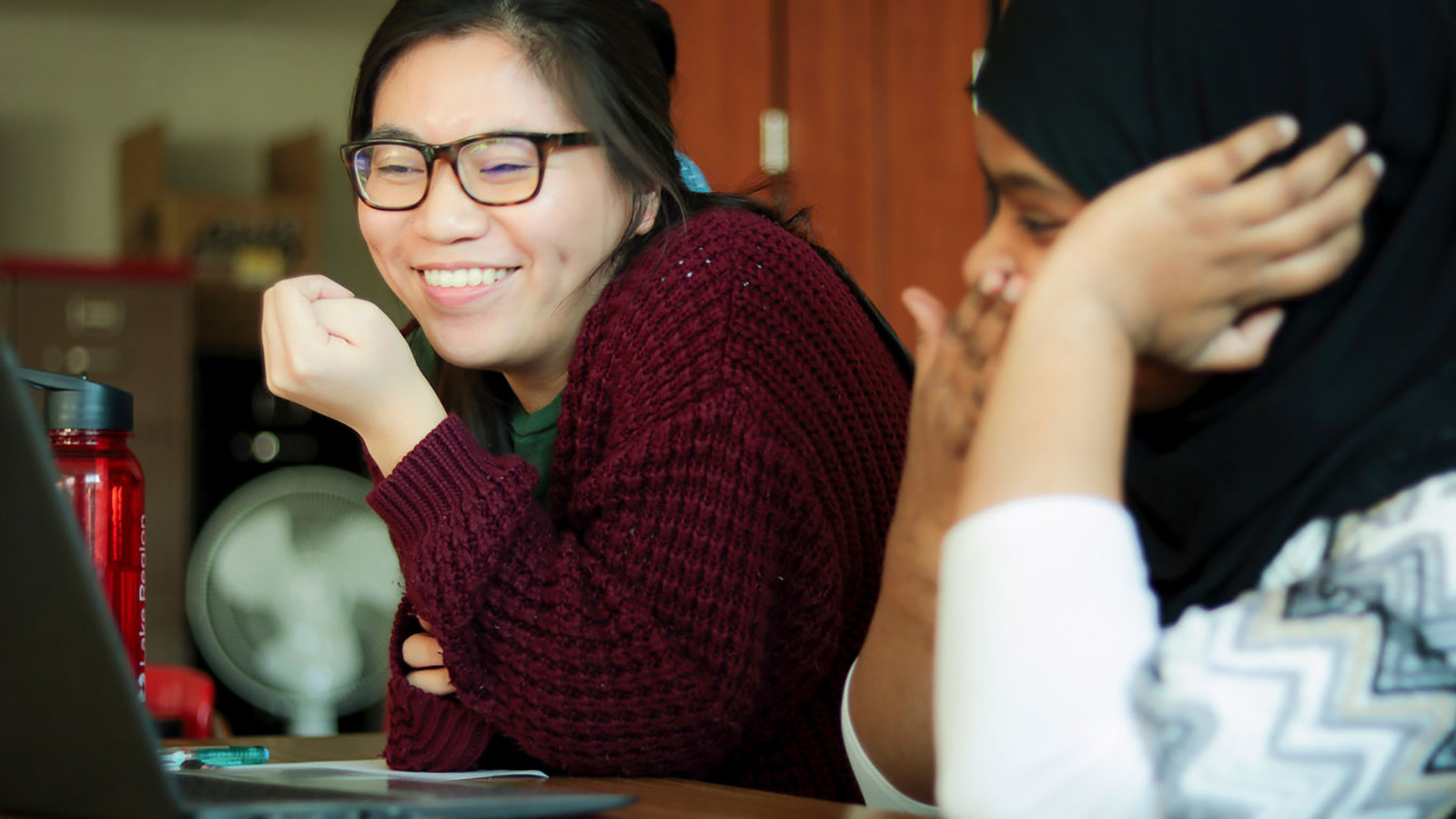
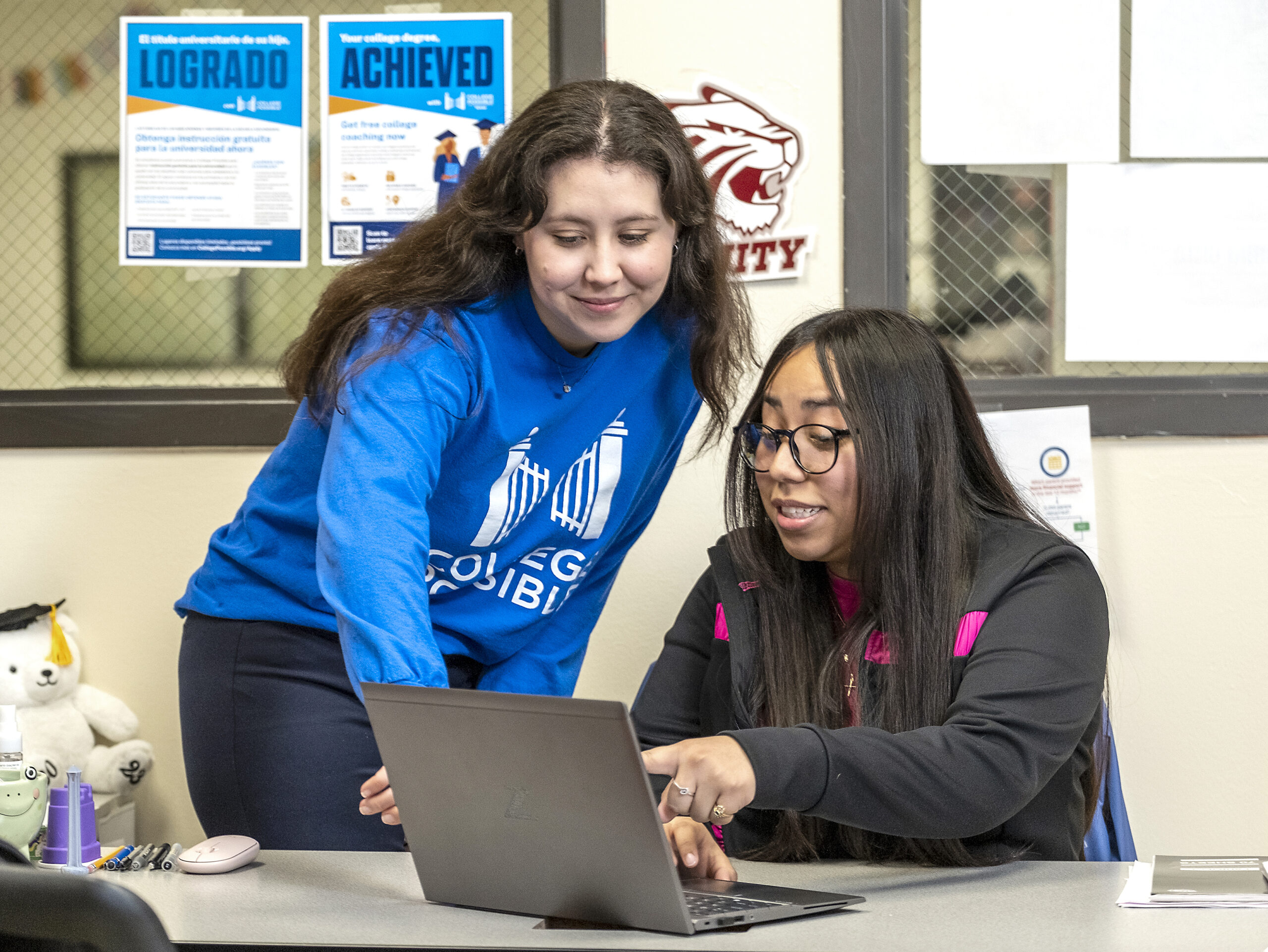
Our success has always been rooted in relationships. Our coaches understand the higher education journey because they’ve been there themselves. They know what it takes to make students believe that college is possible for them, apply to college, manage the transition, and persist through challenges—it’s like having an older sibling in your corner who’s been through it before. We provide a structured curriculum with personalized support and stay with students throughout their academic journey. We deliver up to six-plus years of mentorship–one of the longest support cycles available anywhere, running from junior year in high school through degree completion.
And true to our mission, our programs are offered at no cost to students and their families. That means students can focus on their studies while we help them navigate the best path to a degree—with little to no debt.
What do you see as some of your most important accomplishments over the years?
Since our founding in 2000 as Admissions Possible, College Possible has grown from a single site in Minnesota into a nationally recognized organization with seven regional locations and a nationwide reach. That growth reflects a sustained commitment to helping students from low-income and first-generation backgrounds access and complete college.
We’ve built a strong track record of innovation grounded in evidence, including early randomized controlled trials that demonstrated impact and the launch of initiatives like Catalyze, our campus-based coaching model. Along the way, we’ve been fortunate to receive recognition for this work, including the inaugural Evergreen National Education Prize and acknowledgment from national leaders such as former President Barack Obama.
Just as importantly, we’ve continued to evolve. By expanding both in-person and virtual programming, we’ve been able to reach more students and meet them where they are—through coaching, virtual support, and system-level partnerships that help students succeed from high school through college completion.
Given that data is such a big part of your success, what does the data say about College Possible alumni?
In a challenging economic landscape, recent college graduates are facing notable hurdles. But with the right support, students from trying family circumstances succeed in college and continue to thrive well beyond graduation. Our alumni aren’t just earning degrees; they are building careers, earning competitive salaries, and pursuing advanced degrees.
Among some of the other notable findings from our 2024 alumni survey:
- 95% of College Possible alumni are employed, with the majority working full-time;
- 50% earn more than $60,000 annually, well above the national median for early career professionals;
- 38% graduate with no student debt, and an additional 13% graduate with less than $10,000 in student debt;
- 83% are satisfied with their careers, and 93% say the program helped prepare them for success.
What remains your biggest challenge?
A college degree is still the surest step towards economic mobility, despite rapidly changing workforce demands, workplace needs and an influx of good-paying jobs that don’t require one. But one of the biggest challenges in helping students secure that degree is that their path through college often isn’t linear. Students may move between schools or pause classes to support a family member. No matter the transition, College Possible remains a constant support system, working to get them enrolled or reenrolled as soon as possible. It can be a tricky endeavor. Life happens. But the advantages of a degree can be life-altering, and that’s why we commit to these students for six or more years.
How is College Possible leveraging the power of artificial intelligence to further its mission?
College Possible has launched a generative AI-powered coaching solution, Coach Possible, that lets coaches deliver routine information more productively so they can focus on getting to know the student and gives our students access to personalized guidance 24/7. This new set of AI-enhanced systems is streamlining communication, reducing administrative tasks, and allowing our coaches to spend more time doing what they do best—building relationships and supporting students directly.
Coach Possible is trained on our curriculum and 25 years of accumulated data, enabling it to instantly answer student queries related to the college application and financial aid processes, significantly reducing response times. The tool gives students round-the-clock access to critical knowledge and guidance, which is especially helpful for late-night queries that would otherwise go unanswered until the next day. It also flags issues that require a human coach’s intervention, allowing coaches to spend more time on personal guidance and relationship-building.
We’re excited about what’s possible as we innovate with powerful current technologies that make our mission even more in reach—not just to scale what works, but to build a future where our students are assisted in seeing their future as achievable.
As you look into the next 5 years, what is College Possible planning?
College Possible was founded by a first-generation college graduate who recognized firsthand the value a college degree can deliver and we will not stray from that vision. Looking ahead, there are some strategic shifts we’re excited about that will deepen and broaden our impact on our core mission: supporting students from low-income backgrounds and their families from the college application and financial aid process through graduation.
We are eager to strengthen our high school partnerships and serve more students well, including into often overlooked rural communities, by inviting more students into our College Access Program, which pairs students with trained coaches who guide them through every step of the college process.
We are also elevating our financial pillar, ensuring students and families have the knowledge and support they need to make informed and confident financial decisions that minimize long-term debt. With the rising cost of higher education and more than 40 million Americans carrying student loan debt, we believe it’s critical to help our students avoid contributing to that national crisis.
Through hands-on coaching and resources that demystify the financial aid process, we’re expanding our guidance on FAFSA completion, scholarships, and college affordability, empowering students to choose the schools and aid packages that make the most long-term sense. The results speak for themselves: 38% of College Possible alumni graduate with zero student debt, and another 13% with less than $10,000, which is far below national averages. Financial well-being will remain central to our work, as it directly impacts students’ ability to persist and succeed through graduation.
Finally, we’re stepping up our focus on building career-readiness earlier by introducing new resources to help students plan for life after college. Whether that’s through resume writing, mock interviews and interview prep, or career exploration, our refreshed career curriculum will soon be available in video formats designed to better engage and prepare students for their next chapter.