College costs are skyrocketing, and for many students, the most significant obstacle to earning a degree is affordability. Understanding financial aid, meeting deadlines, avoiding unexpected charges, and staying eligible for support all determine whether a student can remain enrolled.
College Possible Texas coaches work at this exact intersection.
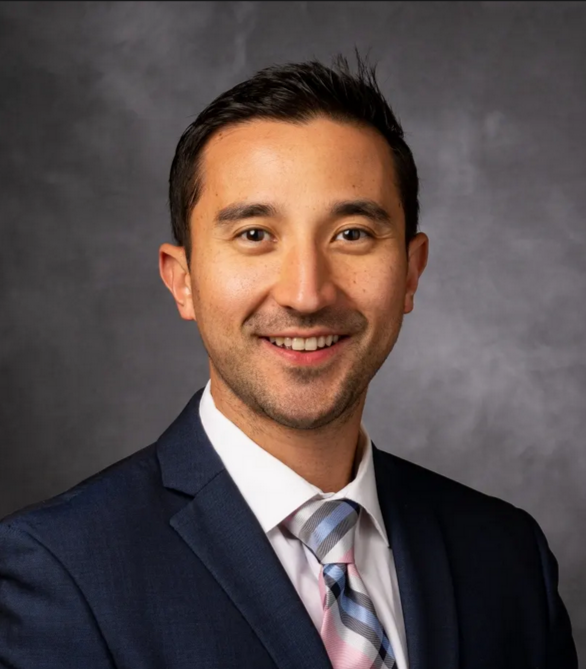
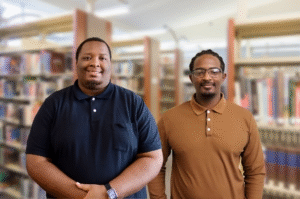
Every day, college success coaches like Ken Henigan and Anthony Williams Jr. see how important conversations can protect a student’s financial aid, prevent costly mistakes, and keep college affordable. Their steady guidance is a foundational part of our model because persistence is strongly tied to affordability.
Turning Uncertainty Into Confidence
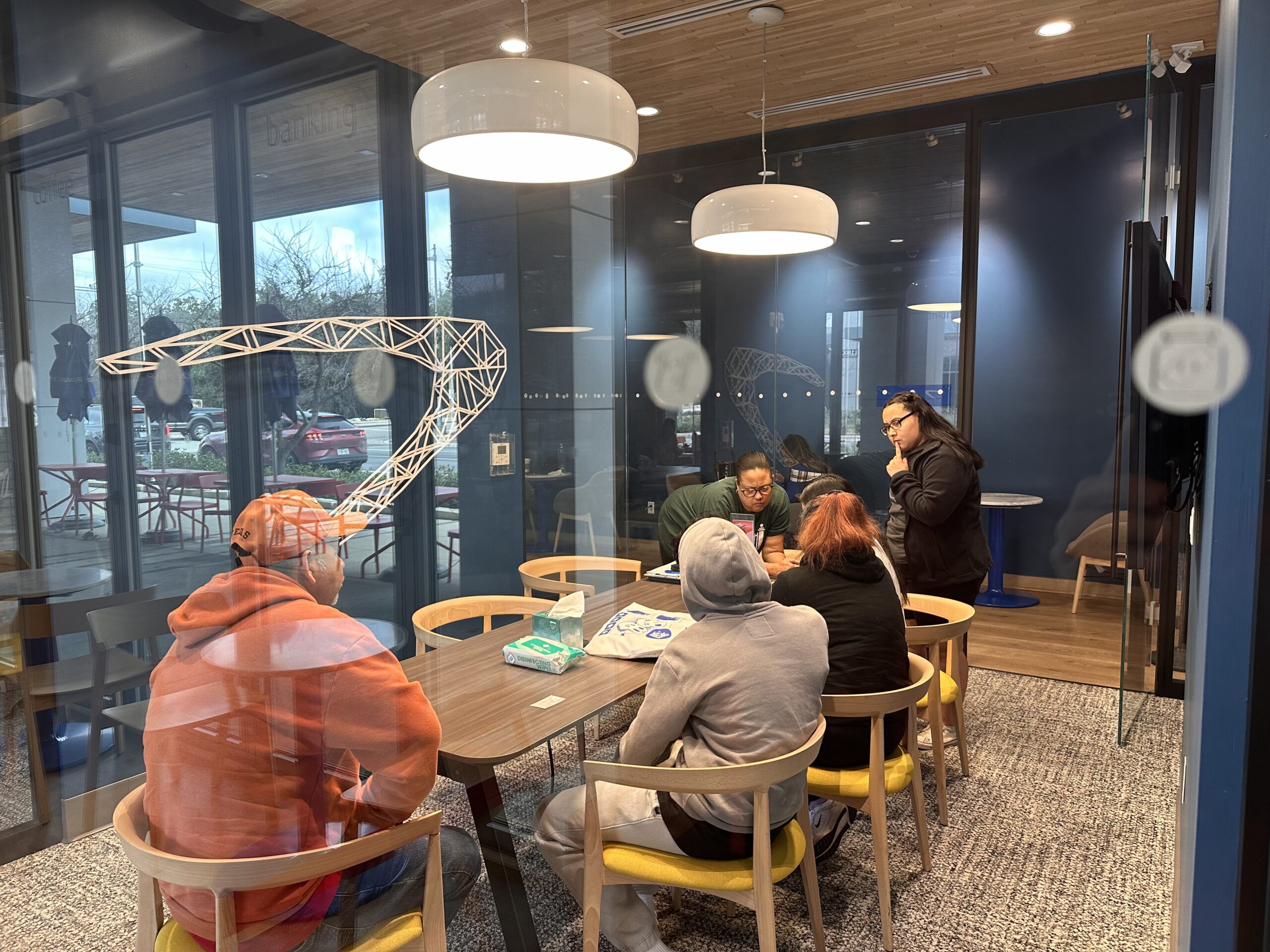
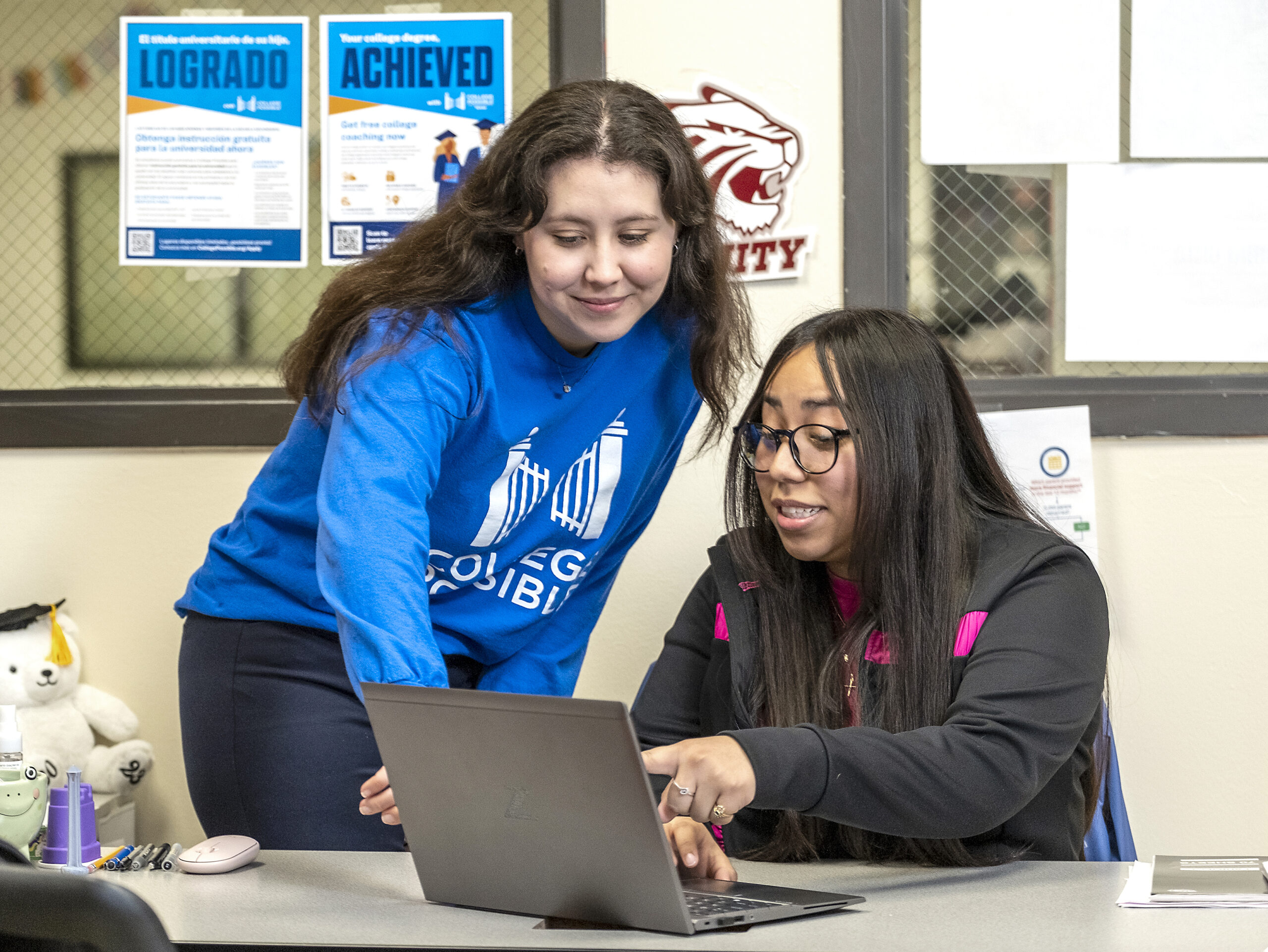
Ken often encounters students who are unsure where to begin or afraid to ask for help. One student reached out because she was uncertain whether she had received her financial aid package. To support her, Ken accompanied her to a financial aid appointment on campus. Together, they reviewed her status, discussed her loan offer, and ensured she understood her options. With a coach by her side, she made a confident choice that kept college affordable.
Many students face similar questions. Some believe the FAFSA is completed only once. Others feel overwhelmed by tax forms or confusing online portals. Without guidance, these challenges can delay aid, reduce support, or even remove eligibility. Coaches break the process into small, manageable steps. They send reminders, ask follow-up questions, and explain the meaning of each action so students stay on track. This kind of hands-on support is essential for first-generation students who may not have someone at home to help them navigate renewal processes or changes in enrollment rules.
These patterns appear across the program. Anthony witnessed how quickly a financial misunderstanding can grow into a crisis. During a routine check-in, a student mentioned an unexpected tuition charge that appeared after she attempted to drop a class. Anthony investigated the issue, contacted the advising and financial aid offices, and learned that dropping the class would have reduced her enrollment below the required minimum for federal aid. That change would have triggered a repayment requirement and resulted in a substantial bill.
Anthony walked the student through her options and encouraged her through each step. Even when she felt nervous, he helped her make decisions that protected her aid and kept her on a stable financial footing. With his support, she avoided a costly mistake.
Ken also works with students who face complex financial challenges, such as a student navigating an aid appeal after the loss of a parent. Together, Ken and the student gathered documents, responded to requests from the financial aid office, and drafted statements describing her circumstances. Ken checks in often to make sure she feels supported during a process that can be confusing and emotional. When she felt discouraged, he reminded her that she did not have to face it alone and offered to attend an in-person meeting if email communication became overwhelming. His guidance keeps her moving toward the aid she needs to stay enrolled.
College Possible Texas remains with students even when their timelines shift or pause, which is crucial as rising costs push many students to reconsider if they can afford their goals. One of Ken’s students planned to step away from college to work full-time because she did not think she could afford college. Ken began by helping her set immediate goals, strengthen her resume, apply for jobs, and secure employment. Once she settled into her new job, they explored her college options together and reviewed how the FAFSA could support her. She completed her application within days, and they are now exploring campuses as she prepares to re-enroll. With the proper guidance, a student who once felt priced out of college can now see a clear path forward.
Ken, Anthony, and all College Possible coaches are present alongside students to empower them with the skills they need long after college. By working in tandem with coaches, College Possible students develop stronger academic, financial, social, and time management skills, and grow their confidence by learning to use their voice, seek resources, and build relationships. These habits not only make college possible but also set students up for career success.
Across all stories, there is a clear message. The path to a degree is becoming increasingly steep for those with the fewest resources, as the cost of attendance at two out of three colleges has risen roughly 70% for students from the lowest-income quartile over the last decade (Marcus & Khan, 2023). In an era where costs for these students are rising more than twice as fast as for their higher-income peers, having a coach can be the difference between stress and success. Coaches listen, ask questions, and stand beside students as they navigate the financial responsibilities that shape their futures. Their work ensures that every student can move toward their goals with clarity and confidence.