“I realized I knew what it was like to be in what a lot of students consider their ‘panic mode.’ I lived it. So I know that you’re going to be okay—because I was okay.”
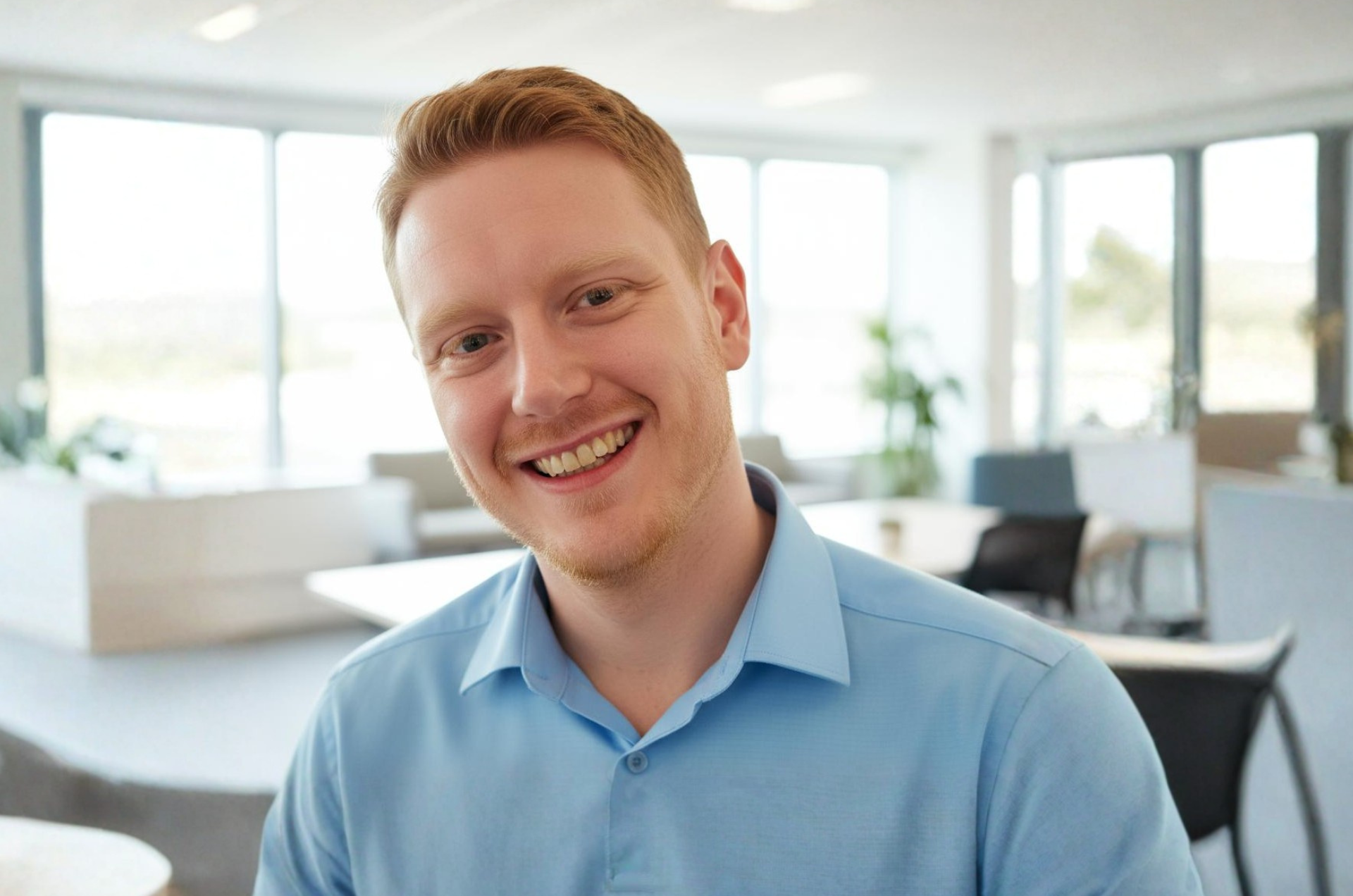
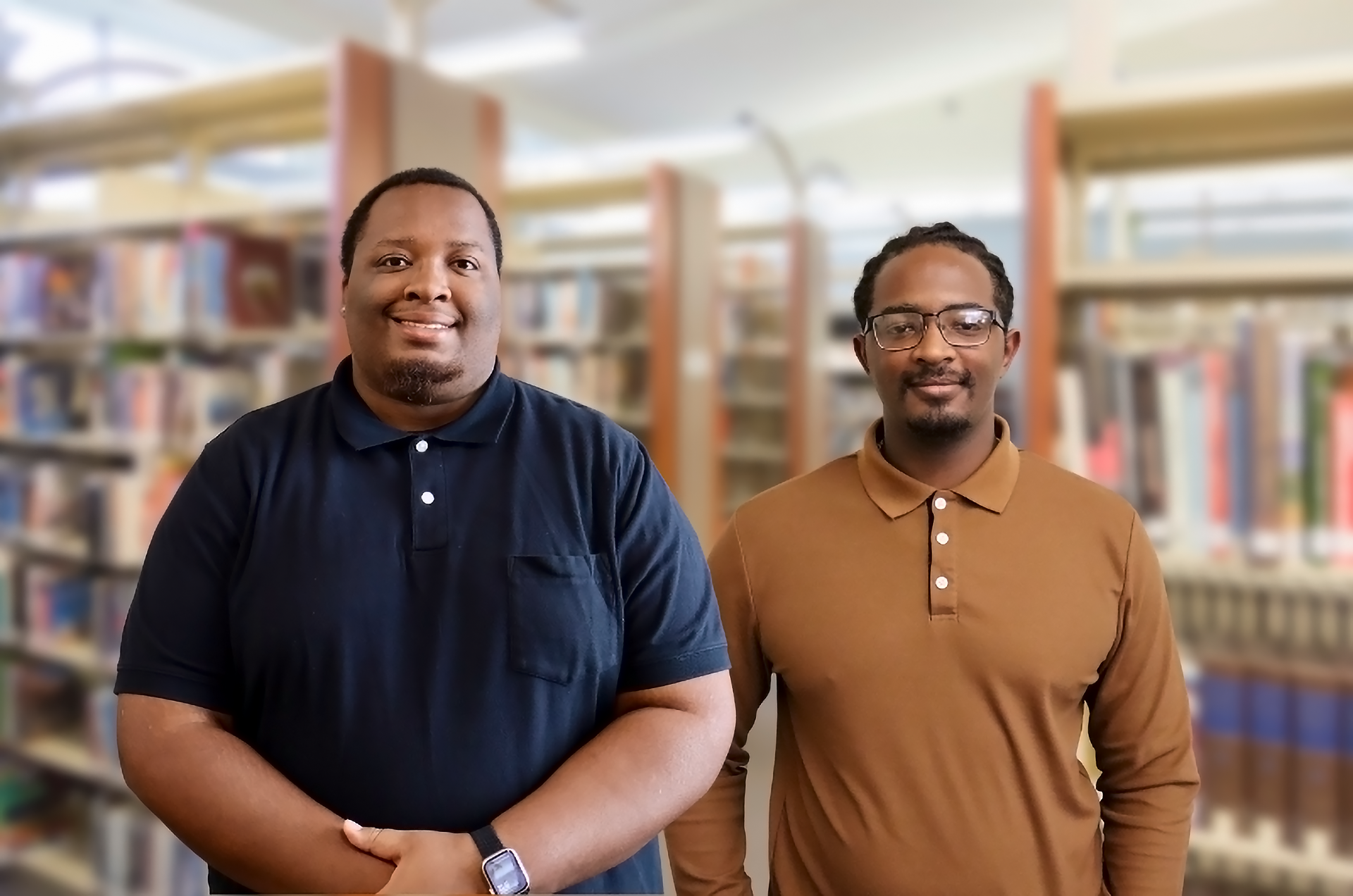
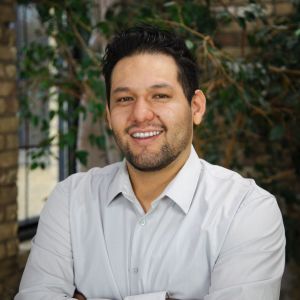
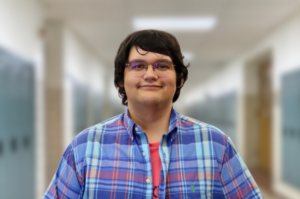
At David Crockett Early College High School in Austin, College Access Coach Placido, PD to his students, isn’t just helping students submit applications. He’s walking alongside them as they figure out who they are and where they want to go.
PD first joined as a summer bridge mentor in 2022 and 2023 before stepping into his current role as an AmeriCorps coach. For PD, the motivation to serve wasn’t theoretical. It was personal.
“My own pathway into getting into college was very winding. I ended up applying to community college in San Antonio and just kind of finding my way through the system. I didn’t have access to people telling me the best way to do it,” says PD.
Missing housing deadlines, navigating forms without a guide, and working through the uncertainty of a pandemic-era college search became the foundation for how he connects with students today. He isn’t just an advisor; he is a living example that a winding path can still lead to success.
The Power of Near-Peer Coaching
PD works with roughly 35 students at Crockett, a campus with a built-in partnership with Austin Community College. Many of his students already have college credit, while others are still weighing whether higher education is the right fit.
That range of starting points is exactly why near-peer coaching matters. Recent graduates and current students like PD bring a kind of credibility that no brochure can replicate.
“Students will ask me questions that are very specific, sometimes silly, sometimes very serious, like, ‘What is it actually like?'” he says. “When I talk about missing my housing application, they ask how I got through it. They realize, ‘Oh yeah, that’s something I’m worried about too.’ And I’m like, ‘I just applied for an apartment. Here’s how.’”
That tangible, recent experience builds a bridge of trust. As PD puts it: “Near-peer mentorship allows them to actually open up and start thinking about their future, less like nebulous plans and more like, ‘Oh wait, I can make this real.'”
Finding a Future in Game Design
This trust often leads to breakthroughs with students who initially seem the most reluctant to engage. One such student eventually approached him with a unique dilemma: he wanted to attend a university in Canada, but getting accepted as an international student felt out of reach; he didn’t think his grades or goals were good enough to compete.
PD shifted the conversation toward the student’s personal interests.
“He mentioned he loves computer programming and computer engineering. He follows a bunch of different projects for game design, developing engines, emulating games,” PD recalls. “I advised him that his expertise in software programming and engineering should be explored and he could consider it as a career.”
Something shifted. The student began to see his hobbies as assets. Together, they submitted an application to the University of Texas at Austin and began navigating the University of British Columbia’s application requirements.
“He felt seen. And from there, he was willing to submit applications, get scholarships in, all of that.” PD says.
Individualized Support at Scale
Supporting 35 different student journeys requires balancing structure with deep personal attention. PD alternates between biweekly group sessions and individual one-on-one check-ins, meeting students wherever it makes sense, be it a quick hallway conversation, a seat on the stairs, or a focused work session at his desk in the College and Career Center with FAFSA forms pulled up on the screen.
Students have come to rely on PD’s knack for meeting their specific needs at a moment’s notice. When one highly organized student needed help finding prerequisites for a specific degree program, PD found the information and texted it to her within minutes.
“How did you get this so fast?” she asked.
“It’s my job,” he replied. “I like research. It’s fun.”
Research as a Form of Respect
When students come to PD with goals he hasn’t personally navigated, like moving to Canada for school, he doesn’t pretend to have all the answers. Instead, he models the very skills they need to succeed: curiosity and persistence.
“I had to learn how that process is done,” he says. “We sat down together and went, ‘OK, you want to go to Ottawa. Let’s look at schools in that area. What does the University of Ottawa take? What do you need for a student visa? Do you have your passport?’”
For PD, this collaborative research is philosophical as well as practical. He wants every student to feel like their dreams, no matter how unique, are worth the effort of a well-made plan.
“I’m only here to manifest their goals. I’m not here to tell you what goals students should or shouldn’t go for. If it’s a degree in basket weaving, let’s do it. But let’s do it right. Let’s make an informed choice instead of a choice that feels like it was made for them.”