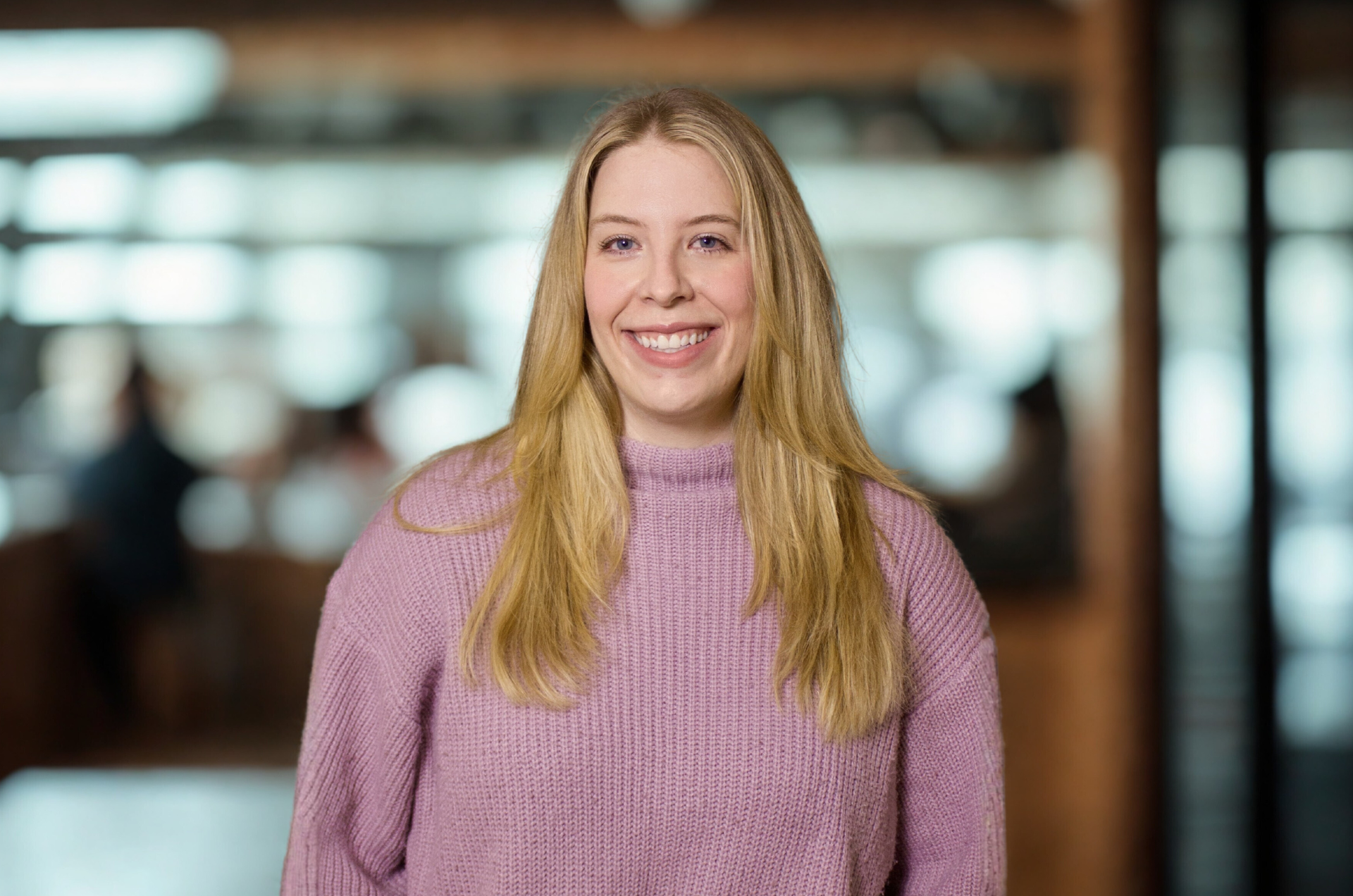
Authored by Sona Karentz Andrews, board member and friend
Dear College Possible Community,
My name is Sona Karentz Andrews, and I joined the College Possible Oregon board six years ago.
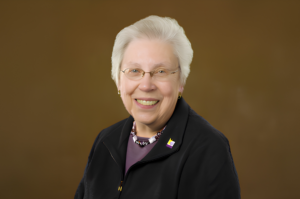
We recently received news that our board member, mentor and beloved friend, Dr. Judith Ramaley, passed away.
I was impressed with Judith the first time I met her in 1992. She was the president of Portland State University and I was an associate vice chancellor at the University of Wisconsin-Milwaukee. I was fortunate that our paths crossed several times over the next 30+ years; the last 12 years as my mentor/colleague/friend at Portland State University.
It’s because of Judith’s commitment and passion for higher education and her remarkable clarity of vision that I and others introduced her to College Possible’s work. As a board and committee member, she utilized her extensive higher ed leadership and advocacy of students from low-income backgrounds in service to the mission.
Judith was a pioneer in advocating for first-generation college students and urban universities. In the early 1990s, she represented Portland State University as a member of the Urban 13—at that time an informal association of 13 major public urban universities formed in the early 1980s to address the unique challenges and opportunities of urban higher education. Today, it is formally known as the Coalition of Urban and Metropolitan Universities with over 120 member institutions. One of the Urban 13’s central efforts was to challenge the four-year graduation rate as the gold standard by which universities and students were judged.
Judith understood that the four-year graduation rate—based on first-time, full-time freshmen who enroll directly out of high school, stay at one institution, and graduate in four years—was not an accurate measure of student success. This was especially true for first-generation college students, who often work while in school, attend part-time, or transfer between institutions along the way.
Judith never gave up on pushing higher education organizations, parents, students, legislators, and the general public to recognize that student success is about graduation—whether it takes four years, five, or ten, and whether a student starts at a community college and transfers, or takes any other path to the degree. And today, many universities and students across the country define student success more broadly, encompassing real-life choices and challenges.
The conviction Judith fought hard for over many years is at the heart of College Possible’s mission as well: that a student’s path does not have to look a certain way to lead somewhere real. Judith brought to that work a quick wit, a gift for finding the good idea hiding inside a hard problem, and an unusual comfort with what she liked to call “wicked problems”—the kind with no clean solution, only the steady, collaborative work of chipping away at them. She never treated that complexity as a reason to look away. It was the reason to stay in the room with her.
Below, several members of the College Possible community share insights into the ways Dr. Ramaley touched their lives and continues to inspire us all.
Sincerely,
Sona
“Dr. Judith Ramaley has a long tenured history in higher education and academia and has left an indelible mark of outstanding service at Portland State University. But I will remember her best for her unwavering commitment to accessible education and personally for her support of me as a new executive director.
Judith came to College Possible Oregon first as a donor before joining our investment council –but it was clear she had so much more to offer. As one of my first orders of business as executive director, I asked her to join the board. Over the past year, Judith was so generous with her time, often hosting me for coffee and letting me pick her brain on all the challenges we were facing during a significant period of transition. Judith not only gave me much-needed advice but also encouraged me to step into leadership with confidence.
We had many conversations about the state of higher education, both the lack of investment and waning belief in the power it holds, but more importantly, she was fired up and wanted to work to change it. I will miss her dearly and all the ways big and small she showed up for Oregon students.”- Nicole Mays, executive director of College Possible Oregon
“I first met Dr. Judith Ramaley when she was the PSU President from 1990-1997, as we served on school advisory boards in social work, education and business, and later when she came back to Portland to serve on the PSU board.
Judith has been a huge advocate for helping students from achieve college degrees, and I met with her numerous times in her committee and board roles at College Possible Oregon, including lunches with former executive directors Julie Mancini and Emielle Nischik at her favorite Elephant’s Deli restaurant in John’s Landing.
She and I also met there together to discuss our wonderful College Possible students and staff, always thinking how we can make their experience better. Her belief was that our mentoring support, combined with university support services, could collectively help students achieve college and career success. Her passion for education and putting the student first always impressed me, along with her amazing personality.” – Ken Thrasher, board member
“Judith was a rare combination of brilliant, passionate, and deeply empathetic. I would not be a board member without her pushing me to have lunch with Ken.
She invited me over to her home for a stimulating hour and a half conversation when we were serving on the Investment Council together, and it was one of the most memorable conversations I have had with a leader. She provoked me to think deeper and more critically where leadership was needed to make an impact in our communities and gave me the courage to believe I could aspire to higher leadership in my own service and career.”
– Logan Rhind, board member