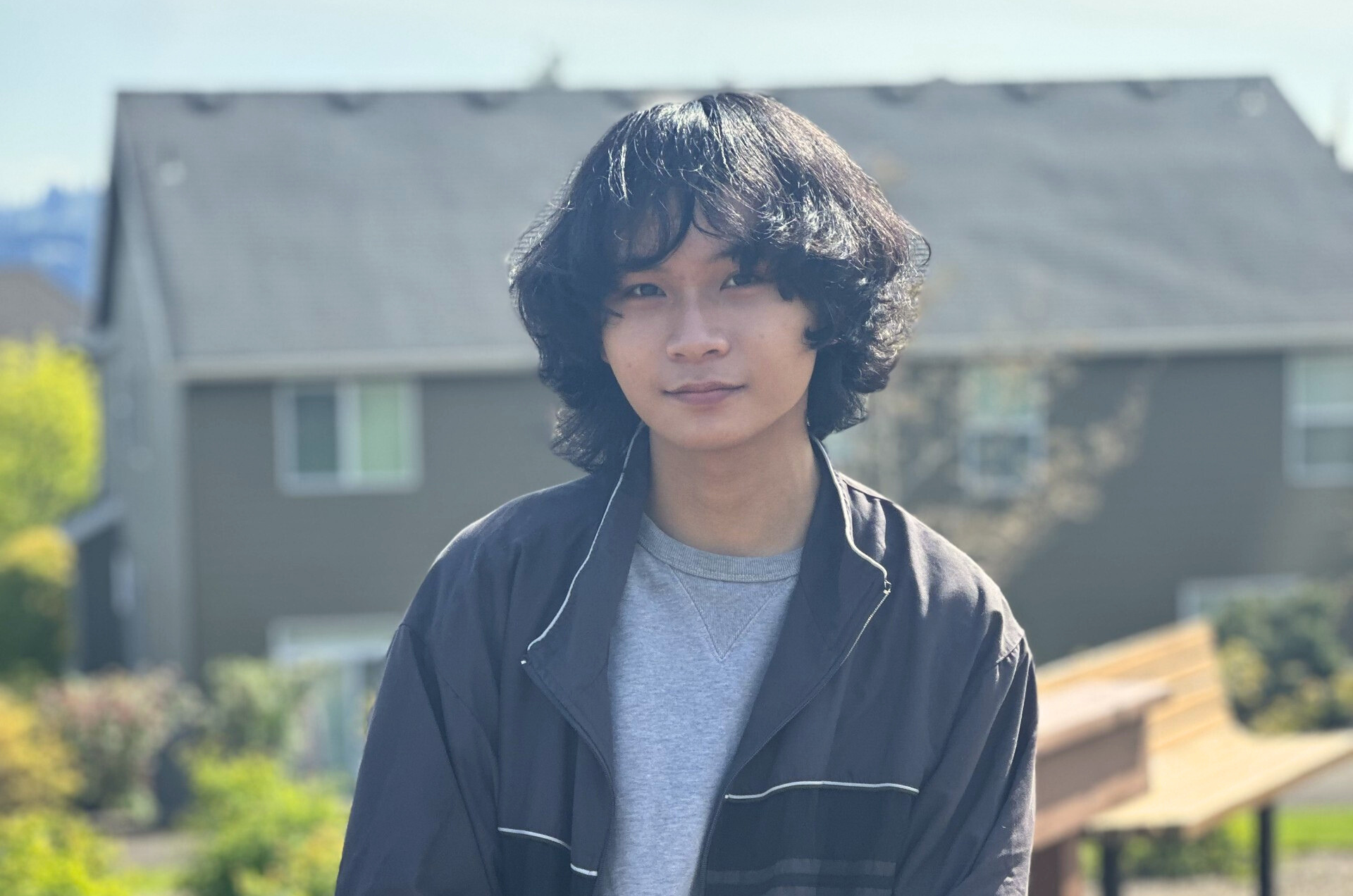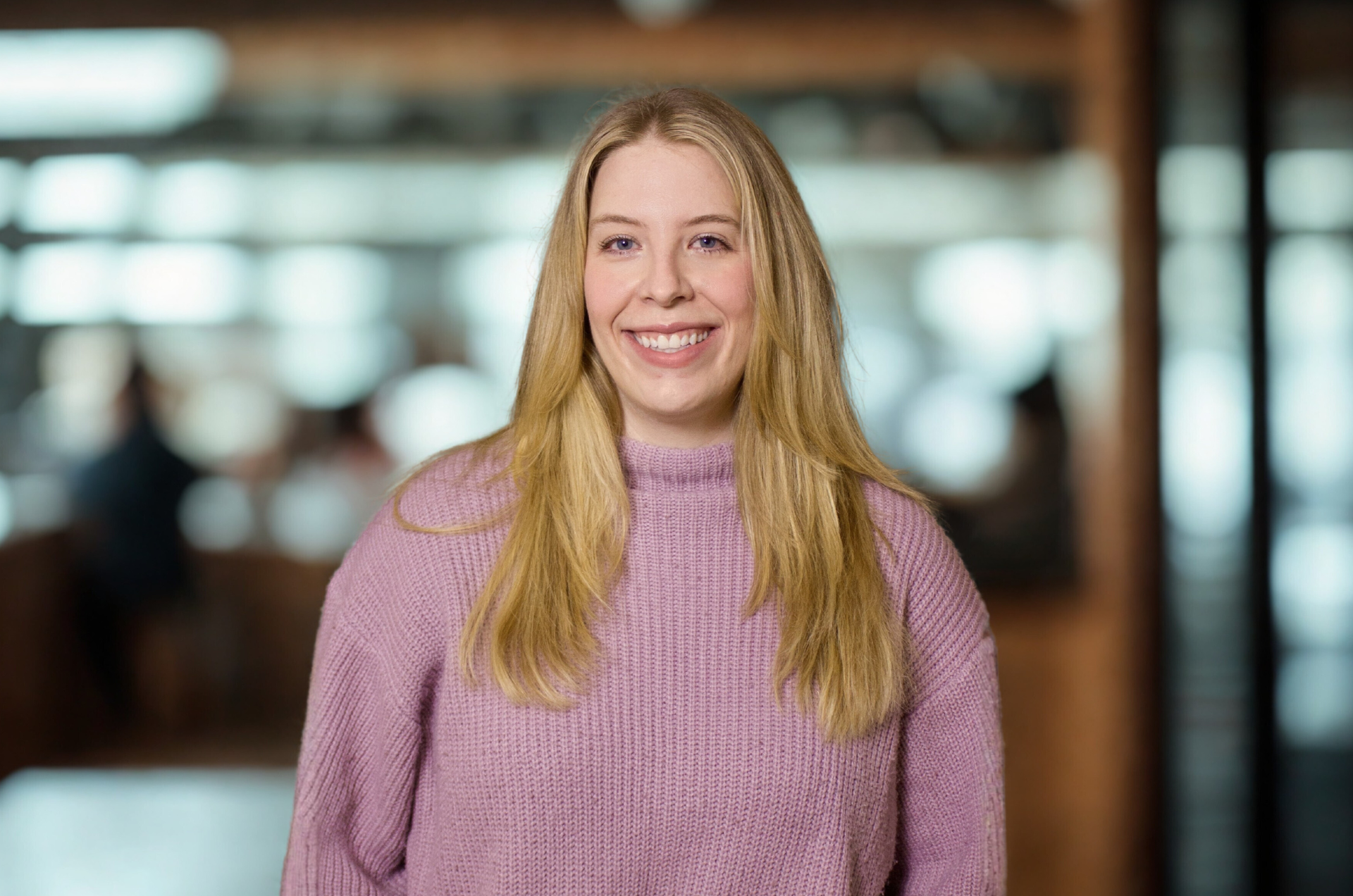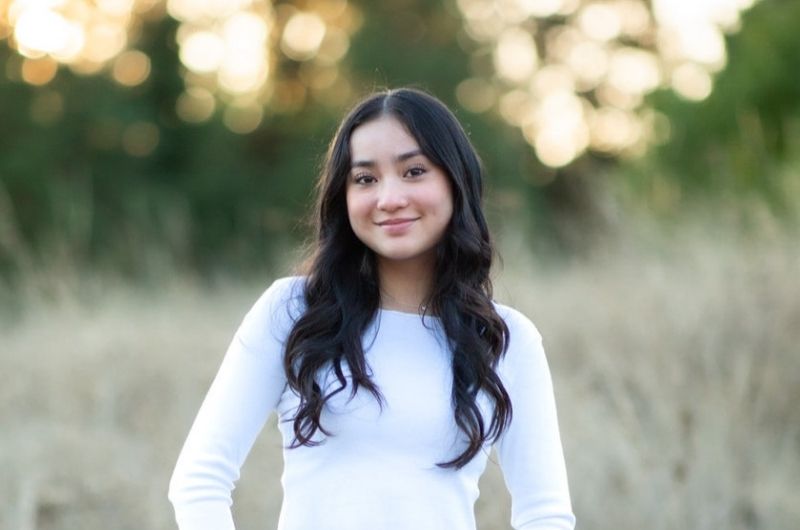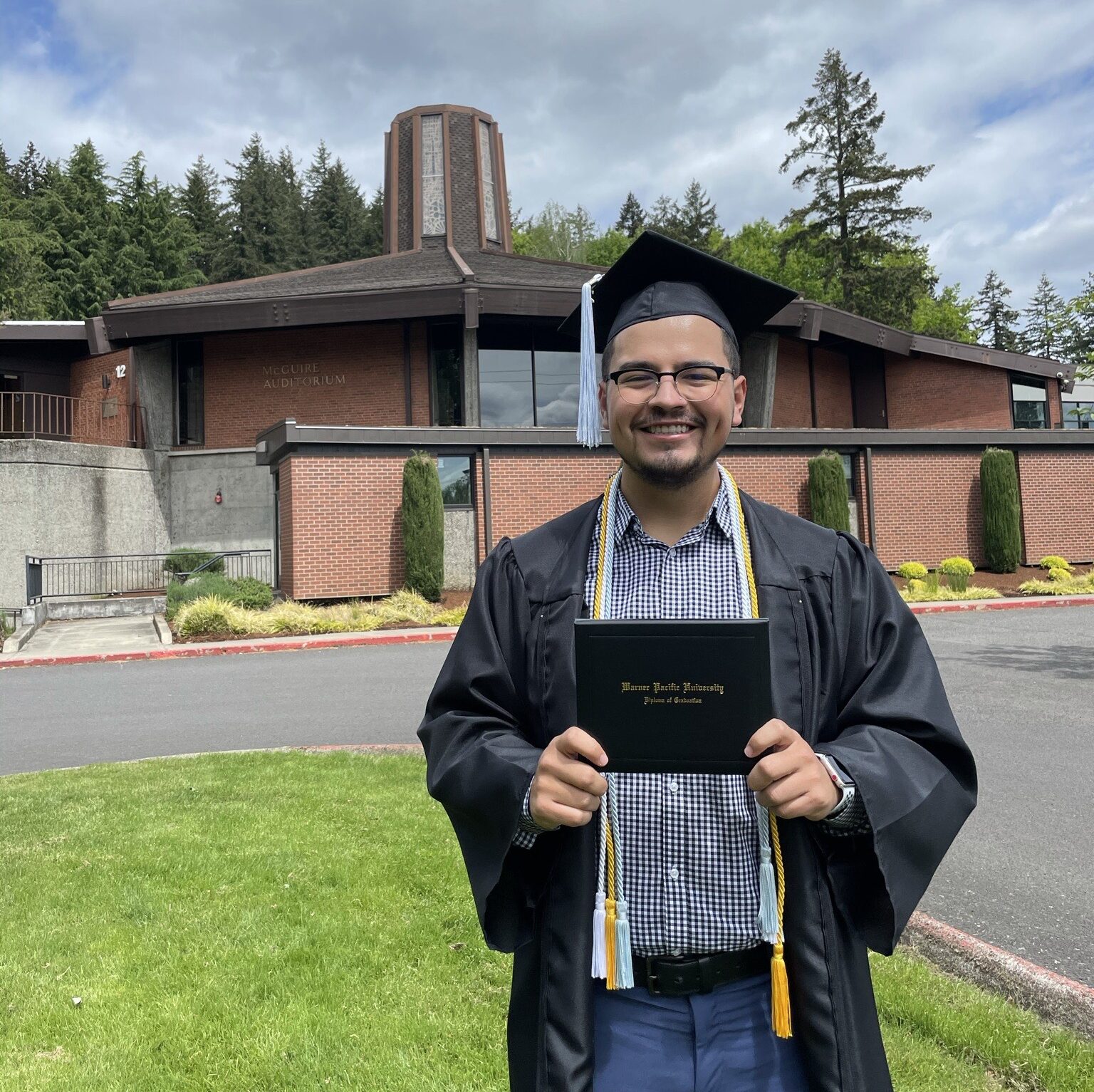
The moment Julia Adesida began her higher education journey at Oregon State University, she was determined to become the mentor she wished she had in high school.
Outside of working toward her psychology and marketing degrees, Julia mentored students as an orientation leader, academic facilitator and senior peer leader. Now, she’s an access advising specialist supporting high school students at Gresham and Reynolds high schools.
“I like connecting with students. I think it’s really beneficial for people to have someone that they feel they can talk to,” shares Julia. “I didn’t have a person in high school that I could talk to about personal things, or when I was struggling with college applications. Looking back at my college experience, there are some things I’d do differently too, so I’m just trying to make sure students are okay on their first try.”
While no two days look identical for Julia, we shadowed her for a week and got the inside scoop on the key ways advising specialists help empower students. Below, we offer you a window into what “personalized student support” actually looks like.
Group Sessions: Lunch with the Seniors
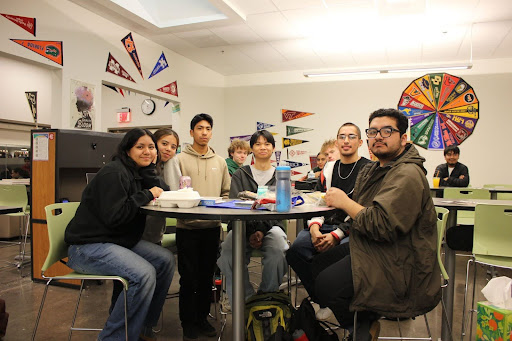
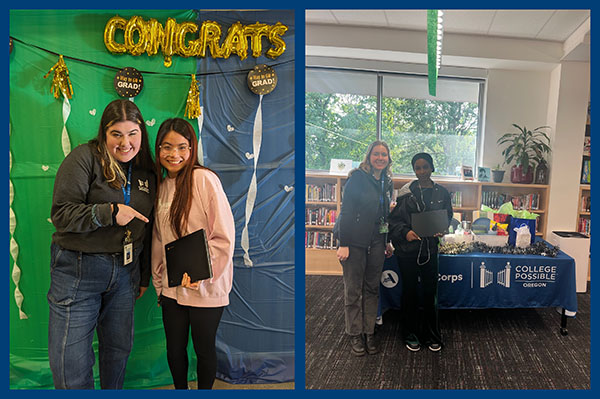
Once the first lunch bell rings at Reynolds High School, College Possible seniors begin filling the room and with each new face, Julia’s smile grows bigger. Her smile reaches a laugh once her last student walks in and announces, “I heard College Possible is the place to be!”
This session’s theme is “College vs. High School,” and Julia begins to cover how the two differ while offering pieces of her own higher education journey. Now and then, students raise their hands to ask about workloads, office hours and class schedules. As she addresses their questions and concerns about college, she sugarcoats nothing because she wants her students to feel as prepared as possible, Julia says.
“Yes, you will struggle in college. It’s inevitable at some point, but there are always ways to pick yourself back up or find support and resources that can help you,” Julia reaffirms to the seniors.
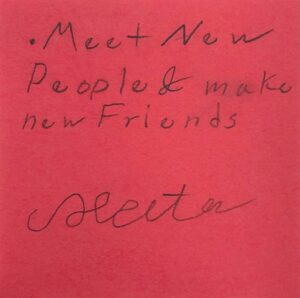
At the end of the session, Julia asks students to write a goal they want to set for themselves in college. While one student, Hector, has primarily expressed interest in college as a pathway to achieving his dream of becoming a mechanical engineer, his goal reflects an understanding of college as a space for belonging, too: “Meet new people and make new friends.”
One-On-One Sessions: Meet Clever and Itzel
Advising specialists have regular one-on-one sessions with students to help them with specific needs, challenges and questions. In Clever’s case, he asked for help with the community college application process. During his session, he sits beside Julia and begins working through his application. Whenever a question arises, she offers clear and encouraging support.
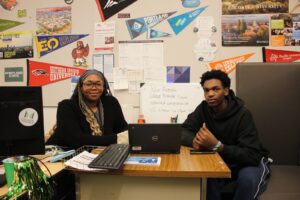
Halfway through their session, Julia’s voice can be heard saying, “You go! I’m so proud of you,” and the duo shares a celebratory fist-bump. Clever has officially submitted his applications to Mt. Hood Community College and Portland Community College. They immediately move on to the FAFSA and outline a plan for Clever and his family to complete the parent section together.
For other students, personalized support involves more camaraderie. Beyond her formal one-on-one sessions, Itzel can sometimes be found spending her free time in the College Possible office, connecting with other students and Julia.
Outside of school, Itzel manages the school dance team, works at Fred Meyer and cares for her mother. Recently, Itzel opened up to Julia about how her personal life had caused her GPA to drop.
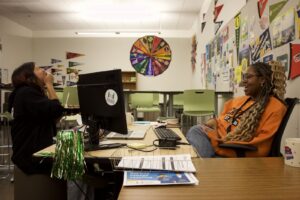
“I really appreciate her opening up to me because it gives me a better understanding of who she is as a person,” Julia says. “Just her knowing she can come into this space where she’ll feel comfortable is important to me. I give her gentle nudges by frequently asking her how an application is going.”
While she’s faced obstacles in the college enrollment process, Itzel is not giving up on her dream of becoming an immigration lawyer. She plans to start at a community college before ending up at Willamette University to study law across the street from the Oregon State Capitol.
“My GPA lowering kind of discourages me from applying for scholarships, but I still try to find ways to see which ones I can earn. Julia has been encouraging me to apply to more schools rather than limiting myself to just community colleges. She’s also been helping me find scholarships, and she keeps up with my personality, which is really great,” Itzel shares with a chuckle.
Team Meetings: A Sneak Peek into Programs
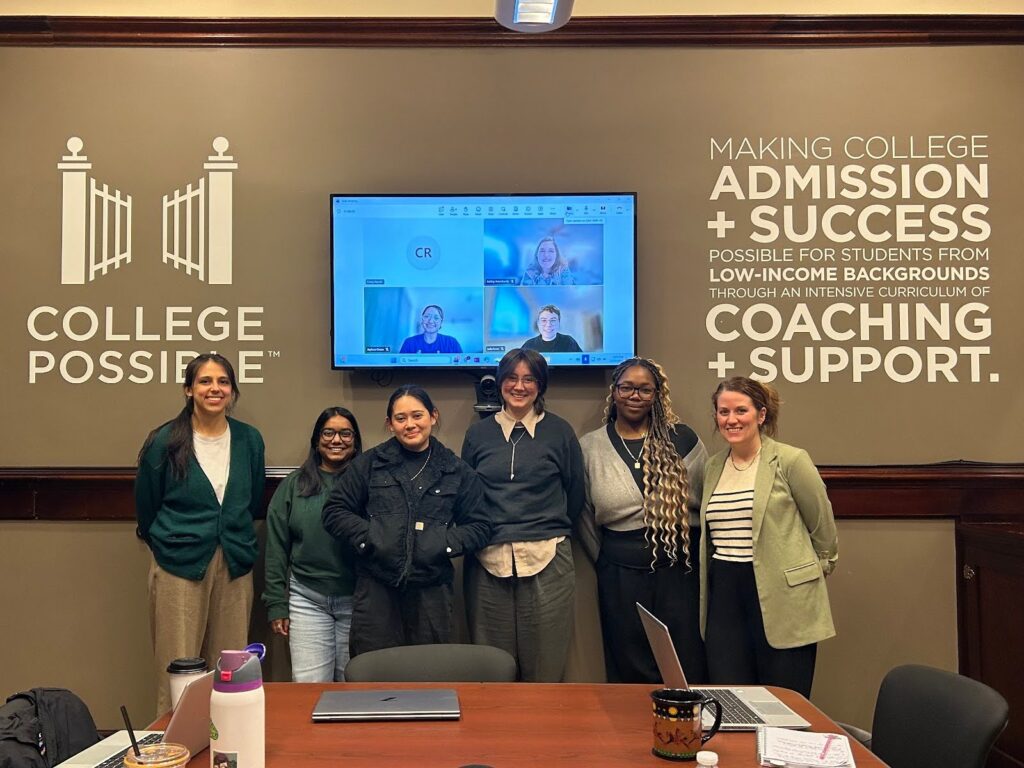
“Today, we’ll be looking at engagement data to help us spot indicators that hint at any future obstacles students will face and that we can help with,” Casey Rauch, College Possible Oregon’s director of programs, says at the start of a team meeting.
Every week, Julia attends two team meetings: one with the access advising specialists and another with the entire program’s team. During these meetings, identifying strategies to strengthen student support is always a top priority, including finding where extra interventions may be necessary by analyzing student data and trends.
Advising specialists look at program performance, student progress, and draw from their own higher education journeys all while sharing team updates. This allows them to pivot curriculum delivery, respond to student challenges in real time, and create predictive models to prevent these challenges for future student cohorts.
When the question arises of how to connect high school students with more on-campus resources, Julia sips from an orange mug bearing the Oregon State logo before adding, “When I was in high school, I didn’t know about dual enrollment and it was there, so I definitely think it’s something we can implement more in our curriculum.”
Building Community: Supporting Students Beyond the Office

You may be wondering what advising specialists do outside of team and student meetings. Well, they keep the wheels turning in many ways. Whenever Julia has “downtime,” she’s preparing materials for upcoming sessions, compiling scholarship lists, interviewing students who have applied to the program, or updating students who missed a session by visiting them during their extracurricular classes.
Because Julia serves at two high schools, the students, community partners, and school staff she works alongside are constantly on rotation. Building trust requires consistent presence, and Julia’s ability to connect quickly with others has helped these relationships grow stronger over time.
At Reynolds High School, Julia shares an office with the student engagement team, fostering collaboration between College Possible and school partners.
“With our athletes, having Julia here is great because there are students who want to take a step toward college, and having someone in the room we can turn to for questions, or even direct potential College Possible students to, has been beneficial,” says Angel Mendez, who serves as a student engagement liaison, wrestling coach and soccer coach at Reynolds High School.
Weekend College Support: Senior Family Event
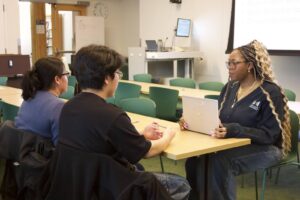
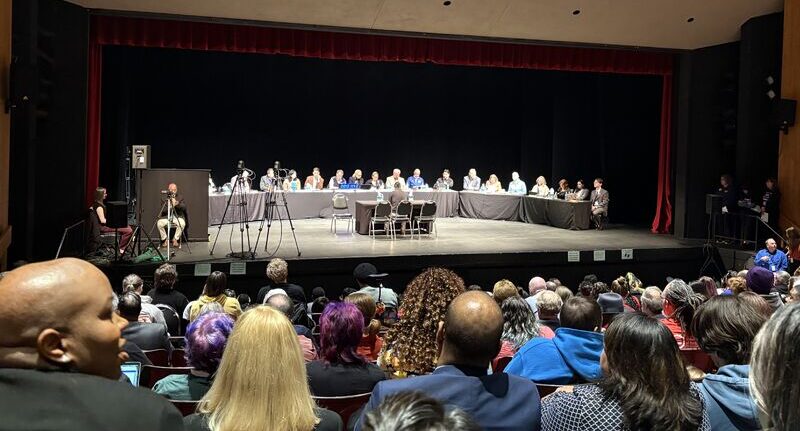
On a bright Saturday afternoon, College Possible students and their families are dispersed inside a conference room at the Holgate Library for a senior family event. Two advising specialists just finished presenting on the college enrollment process.
On one end of the room, a student and his mother are working through a financial aid application with two advising specialists who are translating the material from English to Spanish. On the opposite end, Julia can be found clapping her hands in excitement as she greets Josh, a student whose busy school schedule makes it difficult for him to regularly attend sessions during the week.
Josh and his mother are taking advantage of this weekend session to address a few questions they have about the requirements needed to apply for the Veterinary Technology program at Portland Community College. By the end of the event, Julia has addressed their questions, connected them to financial aid resources, and worked with Josh to create a plan for them to be able to meet more regularly.
“For me, college is very important. I wasn’t able to go, so my kids being able to go is a big deal. I get excited about the thought of him going to college and, most importantly, his wanting to go to college. I came here because I always read the emails, but I think coming in and getting this information in person helps me support him,” Josh’s mother says.
Looking Ahead
These student experiences highlight the impact of meaningful college support. Though it’s a student’s own tenacity and passion that earns a degree, advising specialists ensure that students have someone in their corner rooting for them and their dreams.
Discover some of the aspirations College Possible seniors are currently working toward with Julia’s guidance:
“I’ve always liked math and the sciences, so I’m really interested in chemistry and engineering. My family also loves learning different languages and cultures. My top school is Willamette University because my cousin went there and learned Japanese through the Japanese Studies program. I’m starting to learn four languages: English, Spanish, Japanese and Mesteco. What do I get out of it? Happiness.” – Jose, Gresham High School ‘26
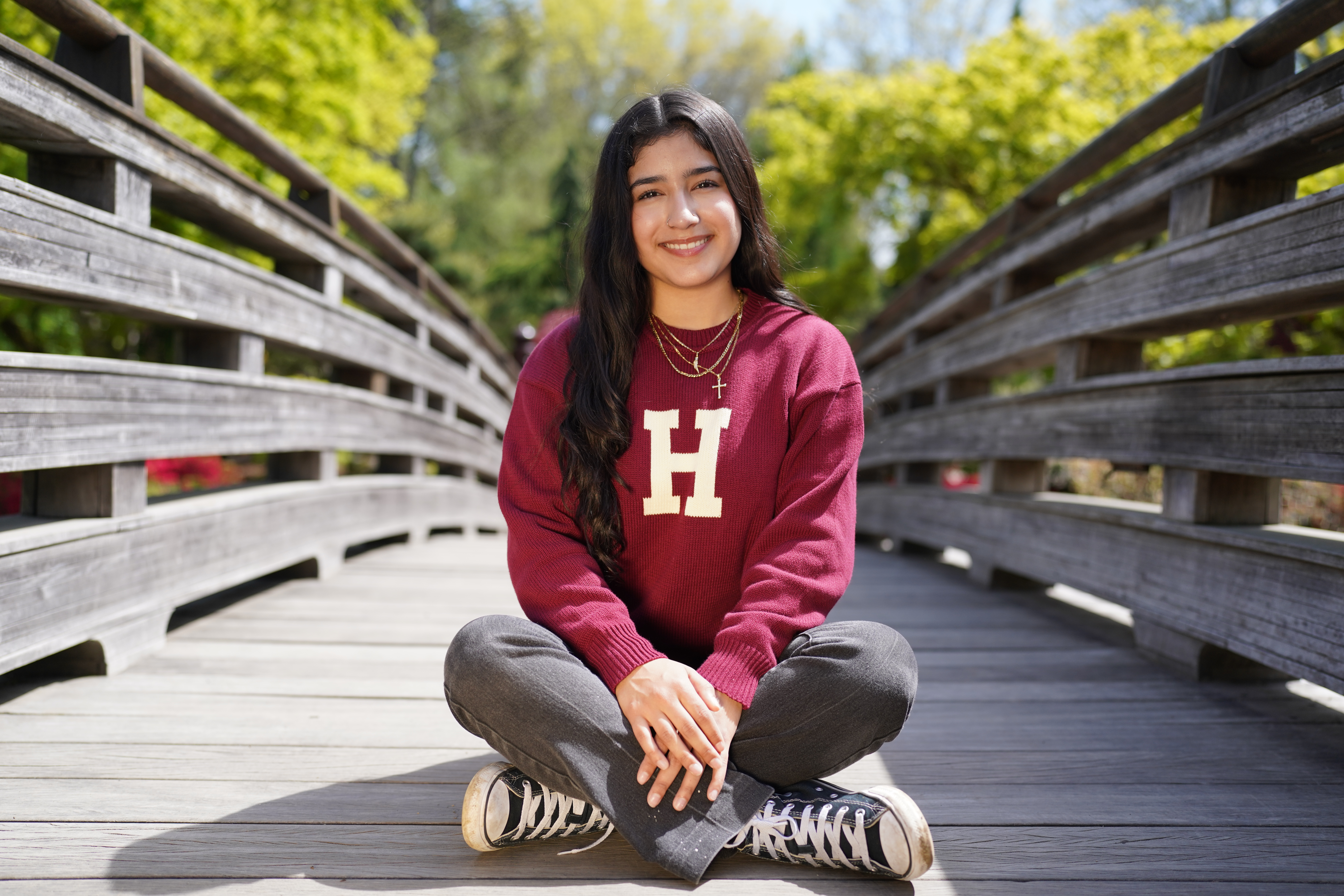
“My mom didn’t get to finish high school, so I feel like I had to take on the responsibility and make her journey here worth it and see me go beyond what she was handed. I am so fortunate to have her and my family around me. I feel like a way of giving back is to study international or immigration law, help people navigate the process, and get settled.” – Itzel, Reynolds High School ‘26
“Mechanical engineering is my main focus because I like working with automobiles and large machinery. I found my passion for engineering while working around cars. My dad knows everything, and introduced me to cars, and I’ve been exposed to machinery through school.” – Hector, Reynolds High School ‘26